

When someone types «happy ending spa near me» into a search box, they’re usually trying to find a massage business that offers sexual services at the end of a session. The phrase has become a blunt shorthand online for erotic services tied to massage, but search intent can vary: some people are curious about what the term means, others worry about safety or legality, and a subset are looking for legitimate relaxation and wellness options and mistyped their query.
Understanding the different things people might be asking for helps separate safe, lawful choices from risky or illegal activity. Below I’ll walk through what the phrase implies, what to watch for, how to find reputable therapeutic spas, and what alternatives exist for adults who want consensual, legal experiences.
Terms and context: erotic massage, sensual services, and legitimate treatments

“Happy ending” is slang. Similar terms include erotic massage, sensual massage, or adult massage. In contrast, legitimate massage therapy goes by names like therapeutic massage, Swedish massage, deep tissue, sports massage, and medical massage. Those legitimate services are focused on muscle health, pain relief, stress reduction, and rehabilitation, and they follow professional standards and licensing rules.
Context matters. A spa advertising aromatherapy, facials, and licensed therapists is different from an establishment using vague, suggestive language or private-only advertising. Recognizing the difference helps you make safer choices and avoid services that could expose you to legal trouble, health risks, or exploitation.
Legality and ethical concerns
Laws vary widely by city, state, and country, but in many places offering or soliciting sexual services for money is illegal. Massage therapists themselves are typically required to hold licenses or certifications; these credentials are intended to protect public health and ensure practitioners meet training and hygiene standards. Businesses that operate outside those norms may be breaking the law and often avoid inspection and accountability.
Beyond legality, there are serious ethical and safety concerns. Some illicit massage operations are linked to human trafficking, coercion, or exploitation. Choosing a business that prioritizes openness, verified credentials, and well-being reduces the risk you expose yourself to—both in terms of personal safety and the potential for contributing to harm.
How to find a reputable, professional spa
If your goal is a legitimate massage or spa treatment, follow evidence-based steps to find a trustworthy provider. Start with licensed establishments: look for state board registration, therapist certifications, or membership in professional bodies like the American Massage Therapy Association (or the equivalent in your country). These are verifiable signs someone is trained and accountable.
Check the business’s online presence. A professional spa will typically have a clear website with posted prices, treatment descriptions, staff bios, and contact information. Reviews on independent sites, referrals from healthcare providers, and photos of the facility can also help you judge whether the place operates transparently and professionally.
- Verify licensing through your state or local regulatory board.
- Prefer spas with visible pricing and written policies on draping and consent.
- Look for therapists who list their qualifications and continuing education.
- Call ahead and ask specific questions about training, draping, and what a session includes.
Red flags: how to tell an illicit massage parlor from a proper clinic
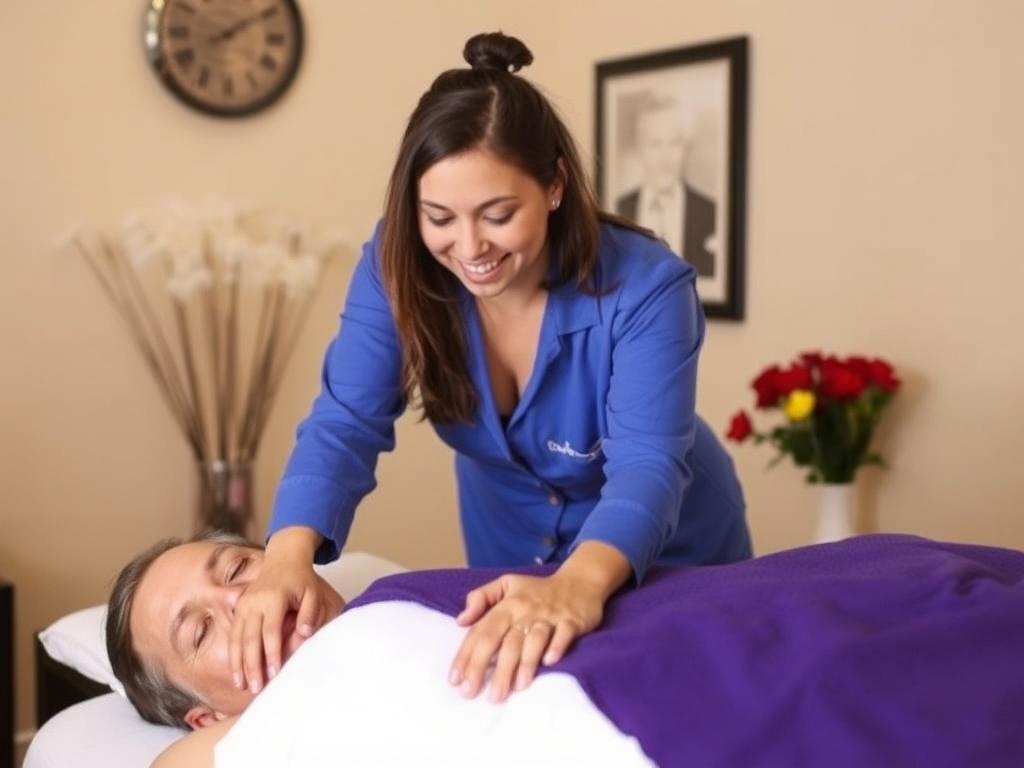
Some signs point to services operating outside professional or legal boundaries. Be alert to businesses that advertise using innuendo, promise private rooms with no written policies, or refuse to answer questions about licensing. Low, flat fees offered only in cash and aggressive language in ads are also common warning signs.
Other red flags include: no posted hours or staff information, inconsistent or hidden online reviews, therapists who refuse to wear professional clothing, and requests for unusual payment methods or behavior. If you feel uncomfortable or pressured at any point, walk away and report the place to local authorities or a consumer protection agency.
- Explicit sexual language in advertising or private messages.
- Cash-only transactions and refusal to provide a receipt.
- No posted business license or therapist credentials.
- Rooms with poor lighting, lack of standard draping, or unusual rules.
What to expect from a professional spa or therapeutic massage
At a reputable spa, the focus is on health and comfort. Therapists will ask about medical history, current pain or injuries, and treatment goals. They’ll explain draping practices—covering areas of the body that aren’t being treated—and obtain clear, informed consent for the session. Sessions often include a consultation, the treatment itself, and aftercare advice.
Professional environments maintain clear boundaries. Therapists are trained to refer clients to medical professionals when appropriate and to refuse inappropriate requests. If your interest is wellness, recovery, or stress relief, these environments are the safest and most effective places to go.
Alternatives for adults seeking consensual erotic experiences—legal and safe routes
For adults seeking erotic or sensual experiences, there are safer, legal alternatives to illicit massage parlors. In jurisdictions where sex work is legal and regulated, licensed venues and services operate under strict rules for safety, health checks, and worker rights. If you live in such a place, research local regulations and licensed providers rather than relying on suggestive advertising.
Other options include attending sex-positive workshops, tantra or intimacy classes, and consenting adult social groups that focus on communication and mutual respect. Dating platforms and reputable adult entertainment venues can also provide consensual connections—but always prioritize informed consent, clear boundaries, and safe sex practices.
- Explore licensed and regulated adult services where they exist legally.
- Consider educational workshops (tantra, couples’ therapy, intimacy coaching).
- Use dating apps with safety features and clear communication about expectations.
Resources and reporting: what to do if you encounter trafficking or illegal activity
If you suspect a business is involved in human trafficking, coercion, or other criminal activity, report it to local law enforcement or the specialized human trafficking task force in your region. Many areas also have anonymous tip lines and non-profit organizations that assist victims confidentially and can advise on next steps.
For public-health concerns—such as unlicensed clinics or unsanitary conditions—your local health department can investigate and take action. If you’ve had an unsafe sexual encounter or fear exposure to infections, seek medical advice promptly; sexual health clinics can offer testing, treatment, and counseling without judgment.
Quick checklist: choosing a safe massage or spa
Below is a simple comparison to help you quickly spot the difference between a legitimate spa and an illicit massage parlor. Use it as a baseline when evaluating options near you, and remember that exceptions exist—always trust your instincts if something feels wrong.
| Feature | Legitimate Spa / Clinic | Illicit Massage Parlor |
|---|---|---|
| Licensing | Therapists and business display credentials; state registration. | No visible credentials; avoids inspections. |
| Website & Contact | Clear website, business address, phone, and booking system. | Minimal info, private messaging, or anonymous listings. |
| Price Transparency | Posted rates, receipts, and documented policies. | Unusually low rates, cash-only, unitemized charges. |
| Advertising Language | Professional service descriptions and certifications. | Suggestive wording, innuendo, or private-only messaging. |
| Treatment Protocol | Standard draping, medical intake, and informed consent. | Requests for secrecy, removed draping, and private rooms. |
| Reviews & Referrals | Consistent, verifiable reviews and medical referrals. | Mixed or nonexistent public reviews; paid or fake testimonials. |
Quick action steps: verify licensing online, call to ask about policies, check independent reviews, avoid cash-only places, and report suspicious activity to authorities.
Conclusion
Searching for «happy ending spa near me» often reflects a mix of curiosity and poor terminology, but it’s important to separate lawful, therapeutic massage from illicit sexual services. Prioritize licensed professionals, transparent businesses, and clear consent; be aware of red flags like suggestive advertising, cash-only transactions, and missing credentials; and when in doubt, seek legal, consensual alternatives or report suspected criminal activity to authorities.