

If you’re searching for bodyrubs on Long Island, you probably want more than a name on a map—you want a safe, effective, and professional experience that addresses your needs. “Bodyrub” can mean different things to different people: therapeutic massage, relaxation-focused spa treatments, or targeted orthopedic work. This guide explains what’s available across Long Island, how to identify reputable practitioners, what to expect during a session, and how to make choices that protect your health and time.
Long Island’s towns and neighborhoods—from Hempstead and Garden City to Huntington and the East End—offer a wide range of options. Local resources include independent licensed therapists, day spas, medical offices with massage services, and multidisciplinary wellness centers. Read on to learn how to navigate that landscape intelligently.
What “Bodyrubs” Means in Context: Types and Goals
At its broadest, bodyrubs refers to any hands-on bodywork, but the intent behind the touch varies. Some sessions are geared toward relaxation—loosen tight shoulders and calm the nervous system—while others address pain, injury recovery, or athletic performance. Knowing your goal helps you choose the right provider.
Common modalities you’ll encounter on Long Island include Swedish (relaxation) massage, deep tissue for chronic tension, sports massage for athletes, prenatal massage for expecting mothers, and therapeutic techniques such as trigger point therapy or myofascial release. Spa treatments like hot stone or aromatherapy bodywork prioritize comfort and atmosphere. Medical massage integrated into physical therapy clinics targets rehabilitation and functional recovery.
Types of Massage and When to Choose Them
Below is a practical comparison of frequently offered techniques. Use it as a quick reference when deciding what to book or ask about during a consultation.
| Technique | Typical Duration | Intensity | Common Benefits | Typical Price Range |
|---|---|---|---|---|
| Swedish | 30–90 minutes | Light–Moderate | Relaxation, improved circulation, stress reduction | $60–$140 |
| Deep Tissue | 45–90 minutes | Moderate–High | Chronic muscle tension, postural issues, pain relief | $80–$160 |
| Sports Massage | 30–90 minutes | Moderate–High | Performance prep, injury prevention, recovery | $70–$160 |
| Prenatal | 45–75 minutes | Light–Moderate | Reduced pregnancy discomfort, improved sleep | $70–$150 |
| Myofascial/Trigger Point | 45–75 minutes | Moderate–High | Targeted pain relief, mobility restoration | $80–$160 |
| Spa/Body Treatments (e.g., hot stone) | 60–120 minutes | Light–Moderate | Relaxation, skin care, sensory experience | $90–$200+ |
Finding Reputable Bodywork on Long Island
Start with local directories and professional organizations. The American Massage Therapy Association (AMTA) and the Associated Bodywork & Massage Professionals (ABMP) maintain searchable directories. Yelp and Google Maps show user reviews, but read critically—look for detailed, consistent feedback rather than a few glowing or vague comments.
Word-of-mouth still matters. Ask friends, coworkers, or your primary care provider for referrals, and check whether the practitioner works in a licensed clinic, physical therapy office, or licensed spa. Clinics that collaborate with other health professionals often follow stricter protocols and documentation standards.
Questions to Ask Before You Book
When you call or message a prospective therapist, be ready with a short list of clarifying questions. Their answers tell you as much about professionalism as any written review.
- Are you licensed or certified? Can you provide your credentials?
- How many years of experience do you have with my concern (e.g., low back pain, prenatal care)?
- Do you maintain liability insurance and client intake records?
- What is your cancellation policy and pricing structure?
- Are there any contraindications I should be aware of given my medical history?
A reputable practitioner will answer directly and welcome a short pre-session conversation about health history. If a business resists sharing qualifications or offers vague answers, consider it a red flag.
What to Expect During a Professional Session
Most clinics follow a similar flow: an intake form, a short consultation, the hands-on work, and a brief post-session discussion. Intake forms document medications, surgeries, allergies, and health conditions. The consultation is your chance to state goals—pain relief, relaxation, or improving mobility—and set boundaries about pressure and areas to avoid.
Therapists typically provide draping so only the treated area is uncovered. Communication during the session is encouraged: therapists should ask about pressure and comfort, and you should speak up if something feels painful or inappropriate. Afterwards, many practitioners offer self-care suggestions—stretches, hydration advice, or follow-up scheduling.
Etiquette and Practical Tips for a Better Visit
Show up a few minutes early to complete paperwork and relax. Wear comfortable clothing to your appointment and avoid heavy meals just before. If you take medication, notify the therapist; certain drugs change skin sensitivity or bleeding risk. Always disclose recent surgeries or blood clots—those are important safety considerations.
Tipping is customary in spas and private practices in the U.S., generally 15–20% depending on service and satisfaction. If budget is a concern, ask about new-client specials or community clinics that offer reduced rates. Many therapists also sell package deals for regular care, which can lower the per-session price.
Legal and Safety Considerations on Long Island
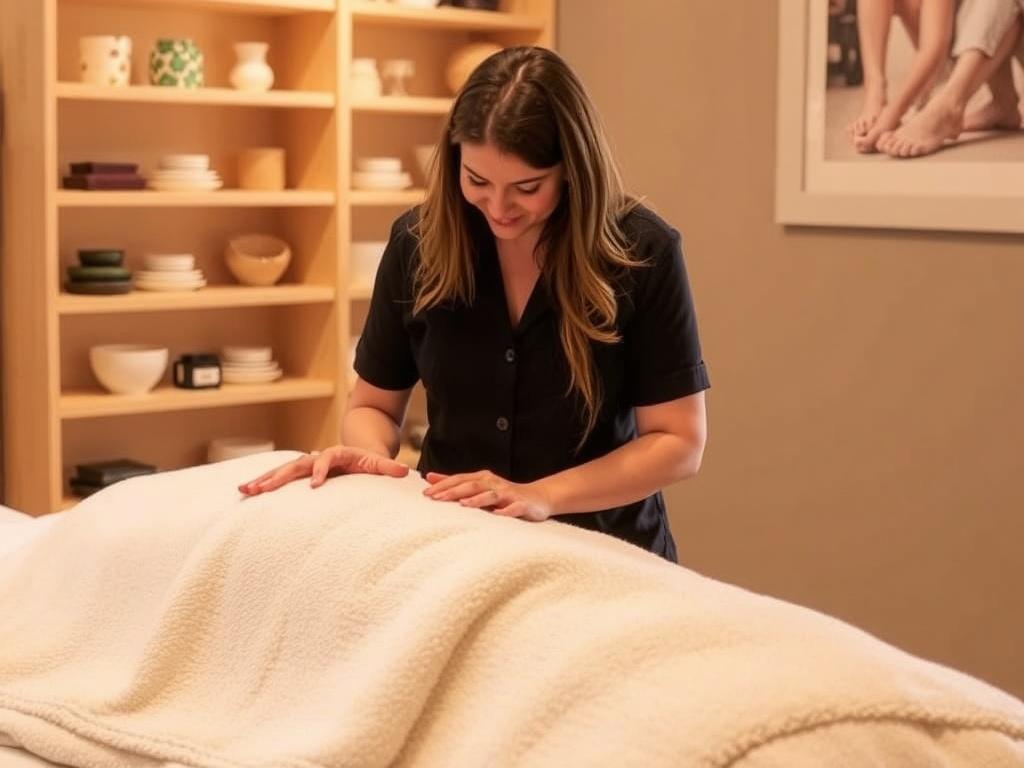
Long Island spans two New York counties and multiple towns, so local regulations and business licensing may vary. Most legitimate therapists carry state certification or membership in professional bodies. Confirm credentials and verify that the business maintains proper sanitation practices and client confidentiality.
Avoid establishments that explicitly offer sexual services as part of massage; those services are illegal in many jurisdictions and present safety and legal risks. If you encounter pressure for extra services or uncomfortable situations, leave and report the business to local authorities or consumer protection agencies. Your safety and bodily autonomy come first.
Red Flags to Watch For
Several warning signs suggest you should steer clear: no displayed credentials, refusal to provide a written receipt, no intake process, insistence on nudity beyond professional draping, or solicitous comments during the session. Trust your instincts—feeling uneasy is a valid reason to stop a session.
- Unclear pricing or pushy upsells
- No professional address or working from an unregistered location
- Pressure to accept additional “services” outside the stated scope
- Poor hygiene or visibly unsafe environment
Cost, Booking, and Scheduling Patterns on Long Island
Prices vary with location, practitioner experience, and the setting. Expect higher prices in affluent areas or upscale spas, and more moderate rates in community clinics or private practices. Many therapists offer online booking and accept credit cards; smaller practitioners may prefer phone or email. Advance booking is wise, especially for weekend or evening appointments.
Need frequent care? Ask about package discounts, sliding-scale clinics, or university massage programs where supervised students perform treatments at a reduced cost. For acute pain or injury, some clinics accept referrals from physicians or insurance when provided under a medical treatment plan—always confirm coverage in advance.
Alternatives and Complementary Therapies

Bodywork often works best alongside other approaches. Physical therapy, chiropractic care, acupuncture, and guided movement classes like yoga or Pilates can support longer-term improvements. Mental health supports, such as mindfulness training or counseling, also amplify the stress-reduction benefits of regular massage.
Consider what complements your bodywork goals. If you’re trying to manage chronic pain, coordinate care with your physician. If relaxation is your aim, a recurring schedule—biweekly or monthly—usually delivers the most consistent benefits.
Local Resources and How to Keep Learning
To stay informed, follow local wellness centers on social media for promotions and educational content. Professional organizations publish credible articles and directories. Libraries and community centers sometimes host workshops on self-massage techniques and ergonomics—handy skills you can apply between sessions.
Finally, evaluate results. A single session can relieve immediate tension, but look for progressive improvement in pain levels, sleep quality, or range of motion over a few visits. If you don’t notice positive change or if symptoms worsen, talk to your therapist or seek a medical evaluation.
Conclusion
Searching for bodyrubs on Long Island needn’t be a guessing game: prioritize licensed professionals, ask clear questions, know what type of bodywork matches your goals, and trust your instincts about safety and comfort. With a little homework and open communication, a well-chosen massage can be a reliable tool for relief, relaxation, and better physical function.