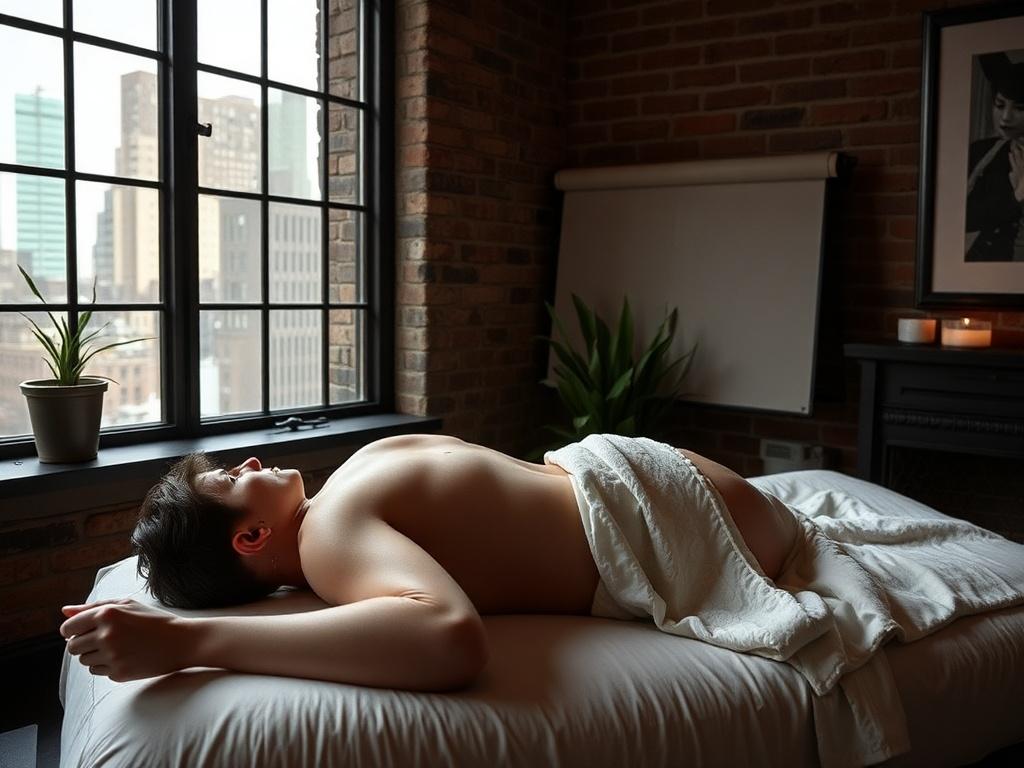

The phrase «body rub» can mean different things depending on who’s using it — from a clinical massage to a basic, relaxing rubdown at a spa. In Brooklyn, like in other big cities, the range of offerings spans small neighborhood studios to full-service wellness centers. This guide helps you read between the lines, pick a legitimate provider, and get a session that fits your needs.
Below you’ll find practical tips, clear explanations of common modalities, and a checklist you can use before you book. The goal is simple: find safe, effective, and professional bodywork without surprises.
What people mean by «body rub» and why the term matters
«Body rub» is an umbrella phrase. Some people use it casually to describe any massage or manual therapy; others use it when searching online for quick, relaxation-focused treatments. Because the term is broad, it can sometimes attract listings that are outside conventional therapeutic practice. That’s why translating the language on a website or ad into concrete service details matters.
When you evaluate a listing, look for clarity. Does the provider list techniques (Swedish, deep tissue, sports therapy)? Do they display therapist credentials or a business license? Honest, professional places use precise terms and offer clear descriptions of what a session includes.
Common types of body rubs and what they do
Different approaches target different outcomes. Some styles aim mainly for relaxation and circulatory benefits; others focus on muscular release, injury recovery, or neurological balance. Knowing the basic types helps you choose a session that aligns with your goals.
The table below summarizes common modalities you’ll see in Brooklyn listings and what to expect from each.
| Type | Typical Pressure | Common Duration | Best For |
|---|---|---|---|
| Swedish Massage | Light to moderate | 50–90 minutes | Relaxation, general circulation, stress relief |
| Deep Tissue | Medium to strong | 50–90 minutes | Chronic muscle tension, knots, postural issues |
| Sports Massage | Moderate to strong | 30–90 minutes | Athletic recovery, injury prevention, mobility |
| Shiatsu / Acupressure | Variable, focused on points | 45–75 minutes | Energy balancing, tension release via pressure points |
| Hot Stone | Light to moderate (with heat) | 60–90 minutes | Deep relaxation, easing stiff muscles with heat |
| Reflexology | Light to moderate (feet/hands) | 30–60 minutes | Localized foot/hand therapy, relaxation |
| Myofascial Release | Gentle, sustained pressure | 45–90 minutes | Fascial restrictions, chronic tightness |
Therapeutic versus relaxation-focused sessions
Therapeutic sessions generally aim to address a specific complaint: back pain, sciatica, postural issues, or recovery from an injury. They tend to be more specific in technique and often begin with an intake that covers health history and goals. Relaxation sessions prioritize stress relief and calming the nervous system; the pressure is usually lighter and the environment tends toward spa-like amenities.
When booking, tell the provider whether you want symptom-focused care or a calmer, spa-style experience. A reputable therapist will ask about your medical history, listen to your goals, and explain their approach before they begin.
Regulation, licensing, and legal considerations in Brooklyn
Regulations for massage and bodywork vary by jurisdiction. In urban areas like Brooklyn, many legitimate clinics and therapists hold professional certifications and operate as licensed businesses. However, the presence or absence of a particular license can differ depending on local and state rules, so it’s wise to verify credentials directly with the provider rather than assuming uniform standards.
Look for visible certifications on websites or in-office, such as diplomas from accredited massage schools, continuing education credits, or membership in recognized associations. If a business is evasive about credentials, that’s a practical warning sign.
How to choose a reputable body rub provider in Brooklyn
Finding the right provider is part research, part listening to your instincts. Start with referrals from friends, healthcare professionals, or trusted online reviews. Then narrow choices with these practical checks: transparent pricing, a clear treatment menu, visible credentials, and a clean, professional facility.
Ask questions before you book. A legitimate studio will welcome your inquiries and give straightforward answers. If a place pressures you, offers vague descriptions, or refuses to provide basic information, move on.
- Does the therapist list their education and certifications?
- Is the scope of services clearly described on the website or menu?
- Are prices and session lengths posted up front?
- Is the facility clean and professionally run?
- Do reviews mention professionalism, communication, and consistent quality?
Red flags and what to do if something feels off
Red flags include requests for cash-only payments without receipts, unclear or inconsistent service descriptions, insistence on sexualized behavior, or a provider who ignores your stated comfort limits. Professional therapists respect boundaries, maintain draping, and stop if you ask.
If something feels off during a session, speak up and stop the treatment if necessary. If a business engages in illegal activity or makes you feel unsafe, report it to local authorities or a consumer protection agency. Your safety and consent are non-negotiable.
Booking, etiquette, and what to expect during a session
When you arrive, expect a short intake where the therapist asks about your health, allergies, medications, and areas of concern. You will be given an explanation of draping — covering with sheets or towels so only the area being worked on is exposed — and an opportunity to state your preferred pressure level.
During the session, clear communication is key. Tell the therapist if pressure is too light or too firm, or if pain goes beyond therapeutic discomfort. After the session, many therapists will give brief aftercare advice — stretches, hydration, or follow-up recommendations.
Costs, tipping, and common pricing in Brooklyn
Prices in Brooklyn vary with neighborhood, studio type, therapist experience, and session length. Expect different tiers: walk-in wellness spots at lower prices, boutique studios that charge more for a branded experience, and experienced therapists who may charge a premium for specialized techniques.
Tipping is customary in many U.S. spa and bodywork settings if you’re satisfied with the service. Typical tips range from 15–25% of the service price, but check local etiquette and the studio’s stated policies. If a wellness center adds service fees or gratuity automatically, the booking page should disclose that.
| Service Length | Typical Price Range (estimate) | Notes |
|---|---|---|
| 30 minutes | $50–$80 | Targeted areas, quick relief |
| 60 minutes | $80–$140 | Standard full-session for most needs |
| 90 minutes | $120–$200 | Thorough treatment, multiple areas |
Aftercare and maximizing the benefits of a body rub
Good aftercare enhances longevity of results. Drink plenty of water to help flush metabolic byproducts released by tissue work. Expect mild soreness for a day or two after a deep session; rest, gentle stretching, and heat can help. If pain is sharp or intense, contact your therapist or a healthcare professional.
Regular sessions often deliver the best outcomes for chronic tension or recurrent stress. Combine hands-on bodywork with movement practices like yoga, strength work, or targeted mobility exercises to create lasting improvement.
Alternatives to body rubs for pain and wellness
Massage is not the only option. Physical therapy offers evidence-based rehabilitation for injuries and functional deficits. Acupuncture, chiropractic care, osteopathic manual therapy, and somatic practices each have different strengths. Your choice should match the problem: rehabilitation and structural issues often benefit from physical therapy, while relaxation and circulation may respond well to spa-based bodywork.
If you’re unsure which path to take, consult a primary care provider or a physical therapist for an assessment. They can help you decide whether a body rub, a medical therapy, or a combined approach is the most appropriate option.
Where to look for reputable Brooklyn bodywork — practical resources
Start local: ask friends, trainers, or healthcare professionals for recommendations. You can also review platforms that aggregate local businesses and verify reviews. Look for providers who post their credentials, service descriptions, and clear cancellation and payment policies.
Visiting a studio before booking can be illuminating. A short tour, a conversation with a therapist, and a sense of the facility’s cleanliness and professionalism will tell you far more than any online ad. Trust your instincts: competence and respect are the best markers of quality.
Conclusion
Finding a reputable body rub in Brooklyn is a straightforward process when you focus on clear service descriptions, visible credentials, and respectful communication. Know what you want — relaxation or therapeutic relief — ask the right questions, and choose a provider who listens, maintains professional boundaries, and explains aftercare. With those basics in place, a good session can be a meaningful part of your wellness toolkit.