

People searching for “rub n tug” in New York City are often looking for a massage, companionship, or something more intimate. That phrase has become shorthand online, but it carries risks and ambiguity. This article explains what the term usually implies, why relying on legal, licensed massage therapy matters, and how to locate reputable providers in NYC without putting yourself or others in danger.
Instead of a how-to guide for illicit activity, this piece emphasizes safety, legality, and practical ways to get the therapeutic or relaxing bodywork you want—plus clear signs to watch for that indicate a business may be operating outside the law.
What people mean by «rub n tug» and why the term is problematic
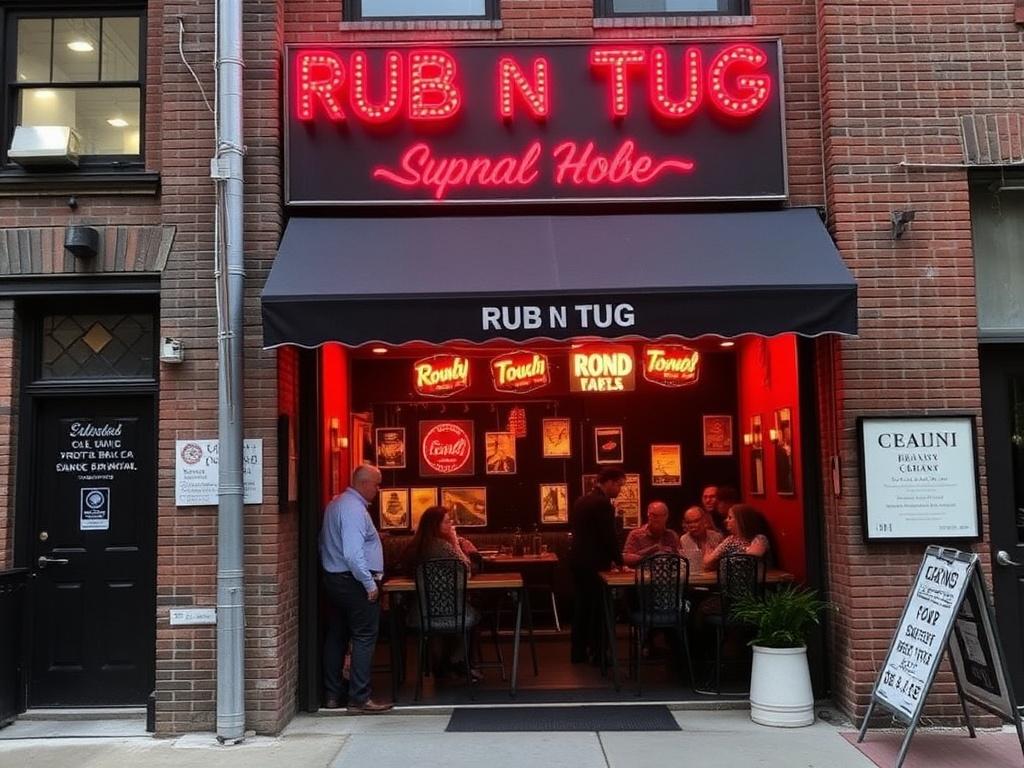
The expression “rub n tug” is slang that blurs the line between legitimate therapeutic massage and sexual services. For some searchers it’s innocent shorthand for a deep cleaning and a massage; for others it’s code for sexual solicitation. That ambiguity is what makes the phrase popular online—but also what makes it risky.
Using slang to seek services can lead you to unregulated businesses that might advertise vague offers, operate without licenses, or be connected to human trafficking and exploitation. If your goal is physical wellness—pain relief, stress reduction, improved mobility—there are many safe, professional options in NYC. If you’re seeking intimacy or companionship, pursue legal alternatives where consent and safety are explicit and protected.
Legal and safety considerations in New York City

Massage therapy in New York State is a licensed health profession. Practitioners should hold appropriate credentials and operate in facilities that comply with local health codes and business regulations. Sexual services in exchange for money are illegal, and transactions that involve coercion or trafficking are serious crimes with severe penalties for offenders.
There are public bodies and hotlines you can consult if you suspect illegal activity: the New York State Office of the Professions oversees licensing, and the NYC Department of Health enforces sanitation and some business rules. If you encounter signs of exploitation or trafficking, contact law enforcement or the national Human Trafficking Hotline to report it.
How to choose a reputable massage therapist or spa in NYC
Finding a legitimate provider takes a few simple checks. First, verify the therapist’s credentials and the business’s registration. A licensed therapist will often list their license number and professional associations. Reputable spas display clear service menus, transparent pricing, and written policies about consent and draping.
Second, read multiple customer reviews and look for consistent themes—professionalism, cleanliness, punctuality, and clear communication. Avoid places that use erotic language in public listings, insist on cash-only transactions with no receipts, or have reviews that hint at sexual services. Those are common red flags.
Questions to ask before booking
Asking direct but polite questions before your appointment helps set expectations and screen providers. Ask about the therapist’s training, the specific techniques used, sanitation practices between clients, and cancellation policies. A trustworthy provider will answer openly and respectfully.
If a spa or therapist refuses to discuss professional qualifications, becomes evasive about fees, or suggests that certain “extras” are available for additional cash, walk away. Consent, boundaries, and safety should be clear from the first interaction.
Types of legitimate massage and what to expect
Licensed massage therapists offer many modalities to address different needs. Common options include Swedish (relaxation), deep-tissue (targeted muscle work), sports massage (performance and recovery), myofascial release, and chair massage. Sessions typically last 30–90 minutes and begin with an intake that covers health history and goals.
During a professional session you can expect clear draping practices, explanation of techniques used, and the opportunity to set pressure preferences. If a therapist asks you to remove more clothing than necessary for the chosen modality or uses language that sexualizes the session, those are immediate warning signs.
Typical pricing and tipping etiquette
Prices in NYC vary by neighborhood and the facility’s prestige. As a general guideline, 60-minute sessions in Manhattan often fall within a mid-to-high range compared with other cities; sessions in outer boroughs and community clinics are typically less expensive. Many high-quality therapists offer package deals or sliding-scale fees.
Tipping is common for massage therapists in the U.S., similar to other personal services. A customary tip is 15–20% based on the full service price. If a business forbids tipping or pressures you to pay unrecorded cash, treat that as a red flag.
Red flags vs. signs of a legitimate spa
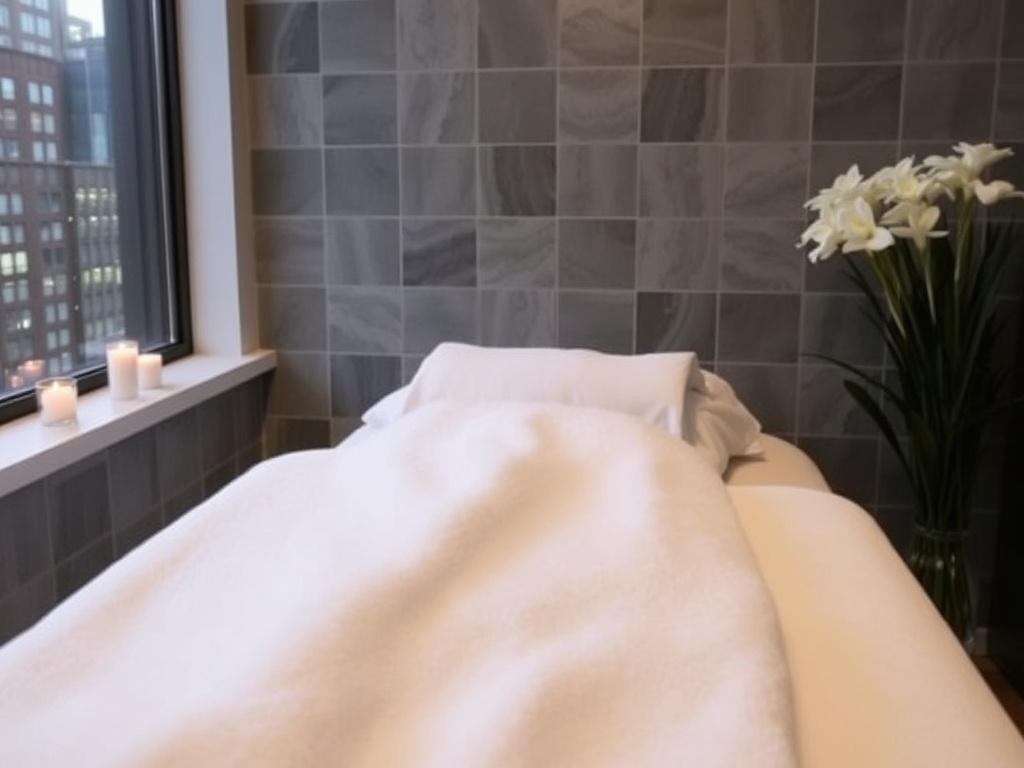
Below is a quick comparison to help you distinguish reputable establishments from risky operations. Use this checklist when evaluating a new provider or searching online.
| Feature | Legitimate Spa or Licensed Therapist | Red Flag / Potentially Illegal Operation |
|---|---|---|
| Credentials | Licensed therapist, public license number, association memberships | No credentials listed or unverifiable credentials |
| Online presence | Professional website, clear service menu, real photos, consistent reviews | Vague ads, erotic language, inconsistent or fake-looking reviews |
| Payment | Card and digital payments accepted; receipts provided | Cash-only, no receipts, pressure for unrecorded tips |
| Facility | Clean, well-lit, clearly labeled entrance, visible business signage | Hidden entrances, residential units posing as businesses, locked doors |
| Communication | Clear intake forms, consent for treatment, boundaries discussed | Sexual offers, suggestive language, pressure for «extras» |
Where to search for trusted massage providers in NYC
Start with professional directories and associations—these usually list licensed therapists by area. Large chains and medical clinics that offer massage therapy often have stringent hiring and compliance practices. Hospital-affiliated physical therapy departments and wellness centers also provide therapeutic bodywork in a clinical setting.
Local review platforms like Google and Yelp can help, but read broadly: a single glowing or negative review doesn’t tell the whole story. Look for providers who explain their training and techniques, publish clear prices, and have a transparent cancellation policy.
Safety tips for appointments
Share relevant medical information during the intake, but avoid oversharing personal contact details until you’ve verified the provider. Bring your own towel if that makes you comfortable. Arrive on time—legitimate businesses value scheduling—and decline any suggestions that feel uncomfortable.
If at any point you feel unsafe, leave and contact the authorities if necessary. Trust your instincts. Safe, ethical practitioners prioritize your dignity and well-being above any extra revenue.
Alternatives if you were searching for intimacy rather than therapy
If what you really seek is companionship, connection, or a consensual intimate encounter, pursue legal and consensual avenues. Dating apps, social events, regulated escorts in jurisdictions where sex work is legal and regulated, or adult-first workshops (e.g., consensual tantra classes taught by licensed facilitators) are safer and clearer alternatives than seeking illicit services through massage parlors.
Whatever route you choose, emphasize informed consent, mutual respect, and legality. Avoid engaging with businesses that promise sexual services disguised as therapeutic massage; those transactions often involve exploitation and criminal risk for everyone involved.
Resources and reporting
Key resources to verify credentials and report suspicious activity include the New York State Office of the Professions (for massage therapy licensure) and the NYC Department of Health for facility standards. The American Massage Therapy Association (AMTA) and similar organizations provide directories and professional ethics guidance.
If you suspect trafficking or coercion, contact local law enforcement or the national Human Trafficking Hotline. Reporting suspected illegal activity protects vulnerable people and helps keep communities safer.
Conclusion
Searching for “rub n tug” in NYC often reflects a desire for touch, relaxation, or intimacy, but the safest path is to choose licensed, reputable massage providers or legal alternatives for companionship. Verify credentials, watch for red flags like erotic advertising or cash-only deals, and prioritize consent and safety. Doing a little homework before you book will get you the therapeutic experience you want without the legal and ethical risks tied to illicit operations.