
When people search for upscale bodyrubs, they’re usually looking for more than a simple rubdown. They want an experience that blends skilled manual therapy with thoughtful design: dim lighting, premium oils, quiet confidence from a practitioner who knows what they’re doing. Luxury bodyrubs sit at the intersection of wellness, relaxation, and hospitality, offering service that treats the whole person rather than just isolated knots.
This article unpacks what “upscale” really means, the types of full-body techniques commonly offered at high-end spas, how to choose a reputable provider, and practical tips to get the most out of a session. The goal is to help you navigate options responsibly and find a restorative, professional experience tailored to your needs.
The Rise of Upscale Bodyrubs: From Traditional Spas to Luxury Wellness
Massage has ancient roots in many cultures, but the modern upscale spa grew out of a fusion of tradition and hospitality. High-end establishments borrow restorative techniques from Swedish, Thai, and Polynesian traditions while adding layers of service—customized consults, signature oil blends, private suites, and curated soundscapes. The result is an offering positioned as self-care and preventive health, not just occasional pampering.
As wellness tourism and lifestyle spending have grown, so has consumer demand for differentiated experiences. Upscale bodyrubs emphasize professionalism and consistency: trained therapists, clean facilities, transparent pricing, and clear boundaries. That focus attracts clients who expect both therapeutic outcomes and a high level of customer care.
What «Upscale» Means: Environment, Practitioners, and Standards
In a luxury setting, environment matters. You’ll likely find design choices that reduce sensory fatigue—neutral palettes, soft fabrics, efficient HVAC, and gentle sound masking. These choices are not decorative alone; they facilitate relaxation and create a sense of privacy that’s essential for full‑body treatments. Amenities such as robes, heated tables, and private showers are common, signaling an emphasis on comfort and attention to detail.
Standards of practice are another hallmark. Upscale spas often require higher levels of training, certifications in therapeutic modalities, and ongoing education. They enforce strict hygiene protocols, have clear client intake procedures, and maintain professional codes of conduct. When those elements are in place, clients can relax into the treatment knowing boundaries and safety are prioritized.
Facilities and Ambience
Luxury treatment rooms are designed to be calming and efficient. Good ventilation, adjustable lighting, and sound-control measures allow therapists to tailor the atmosphere. Many spas invest in scent strategies—subtle, consistent aromatherapy rather than overpowering fragrances—to complement the massage without distracting from it.
Other facility features that distinguish upscale locations include private changing areas, on-site relaxation lounges, and robust sanitation practices. These practical details reduce friction around arrival and departure, which helps clients feel cared for from the moment they walk in.
Practitioner Qualifications and Ethics
Experienced therapists in upscale environments bring a mix of technical skill and client communication. They should be able to explain the mechanics behind techniques, adapt pressure and approach to individual needs, and know when to refer a client to medical care. Licensing and continuing education are good indicators of professionalism.
Equally important is ethical practice. High-end spas enforce policies that separate therapeutic work from sexualized services. Clear intake forms, explicit consent for areas to be worked on, and a private, respectful tone all support a safe experience for both client and practitioner.
Types of High-End Bodyrubs and Techniques
Upscale spas typically offer a menu that ranges from classic full-body Swedish massages to specialized therapies such as deep tissue, myofascial release, and culturally specific techniques like lomi-lomi. Many luxury providers also create signature rituals that combine modalities—think warm stones with aromatherapy or a scalp and facial ritual paired with a full-body treatment.
Choosing among options usually depends on your goals: relaxation, circulation, pain relief, or recovery. A knowledgeable therapist will guide you toward the right choice during an intake conversation and adjust the session as it progresses.
| Technique | Typical Duration | Pressure Level | Common Benefits | Best For |
|---|---|---|---|---|
| Swedish | 60–90 minutes | Light to medium | Relaxation, improved circulation | Stress relief, first-time clients |
| Deep Tissue | 60–90 minutes | Firm | Release chronic muscle tension, address adhesions | Athletes, chronic pain |
| Aromatherapy | 60–90 minutes | Light to medium | Mood enhancement, relaxation | Stress, mood regulation |
| Hot Stone | 75–90 minutes | Medium | Deeper relaxation, muscle warmth | Stiff muscles, circulation support |
| Lomi‑lomi | 60–120 minutes | Flowing, medium | Rhythmic relaxation, emotional release | Clients seeking a ritualized experience |
| Myofascial Release / Trigger Point | 60–90 minutes | Targeted, variable | Improved mobility, pain reduction | Rehab-focused clients |
Booking, Pricing, and What to Expect During a Session
Booking an upscale bodyrub typically starts online or by phone, with the option to specify preferences or add-ons. Prices generally reflect location, therapist expertise, and included amenities. For a luxury full-body session expect to pay more than typical neighborhood rates, but you’ll usually get a longer consultation, higher-quality products, and more polished service.
During the session, a therapist will begin with a brief consultation—covering medical history, areas of tension, and pressure preferences. Expect a professional exchange about comfort and boundaries. The treatment itself will be paced to your needs, with therapists checking in selectively to avoid breaking the relaxation while ensuring the pressure is appropriate.
Pre-session Preparation and Communication
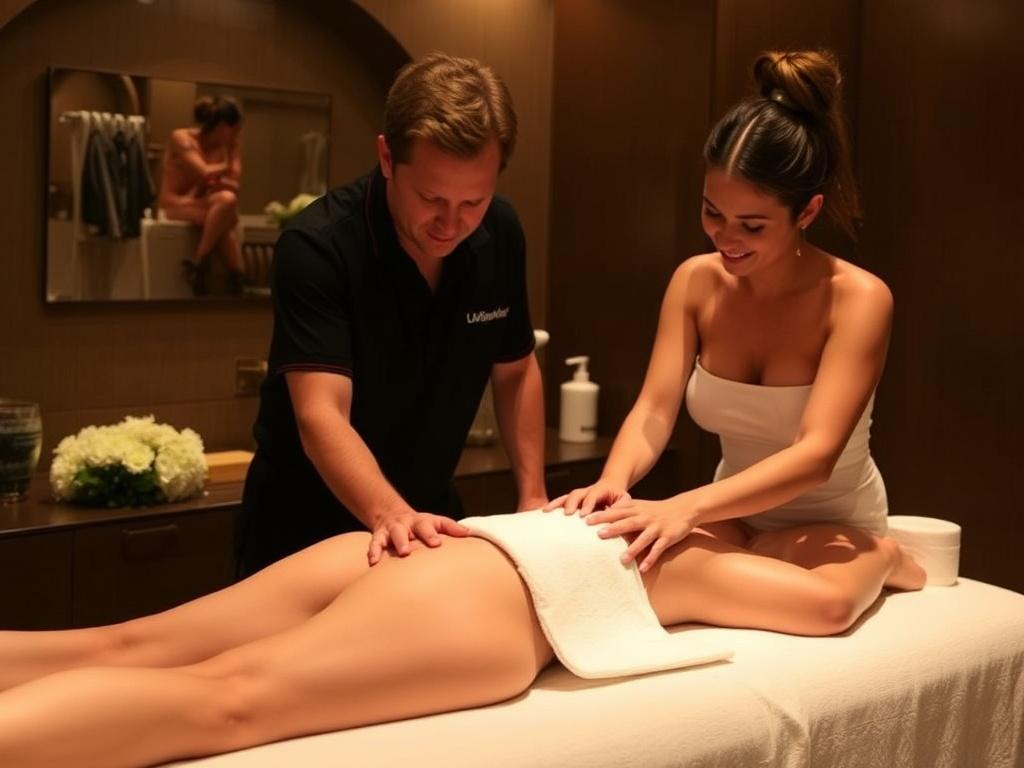
Arrive a little early to complete intake forms and to acclimate to the space. Hydrate, avoid heavy meals immediately before the session, and wear comfortable clothing. If you take medications, have active injuries, or are pregnant, disclose that information so the therapist can adapt the treatment safely.
Clear communication is essential. Saying “softer” or “firmer,” indicating areas to avoid, or sharing discomfort promptly allows the therapist to adjust. In upscale settings, therapists are trained to read nonverbal cues as well as to elicit verbal feedback when necessary.
Privacy, Safety, and Professional Boundaries
Reputable spas maintain clear, written policies about what a session includes and what it does not. Draping techniques are used to preserve privacy—only the area being worked on is uncovered at any time. If anything in the experience feels unprofessional, you should be able to raise the issue with management and receive a prompt resolution.
Legal considerations vary by jurisdiction. Upscale providers usually comply with local licensing laws and maintain transparent advertising. If a spa’s offering or behavior seems vague about therapeutic scope or crosses professional boundaries, that’s a strong cue to seek another provider.
Benefits and Risks: Health, Relaxation, and When to Seek Medical Advice
Full-body massages can improve circulation, reduce stress hormones, ease muscle tension, and support better sleep. They’re valuable adjuncts to a healthy lifestyle and can speed recovery when integrated with physical therapy or exercise. Regular sessions may help manage chronic tension and provide ongoing mental-restorative benefits.
That said, bodyrubs are not a substitute for medical care. People with certain conditions—uncontrolled hypertension, deep vein thrombosis, active infections, recent surgeries, or specific skin conditions—should consult their healthcare provider before booking. A competent therapist will ask about your health and either adapt the session or encourage medical clearance when needed.
Choosing a Reputable Luxury Spa: Questions to Ask and Red Flags
When evaluating a spa, ask about practitioner credentials, sanitation practices, cancellation policies, and whether consultations are standard. Inquire about the products used and whether menus are flexible—can the therapist tailor pressure, technique, or focus areas? Transparent answers are a sign of professional integrity.
- Red flags: vague service descriptions, reluctance to discuss qualifications, inconsistent reviews, or pressure for gratuities beyond customary tipping.
- Trust indicators: clear intake procedures, visible licensing, positive and specific reviews, and management responsiveness.
Visiting a spa for a short introductory treatment or requesting to meet a therapist before booking a longer session can also help you gauge compatibility.
Pricing Guide and Value Considerations
Prices for upscale bodyrubs vary widely by city and spa category. Typical ranges might run from a premium 60-minute session to longer rituals with add-ons. What matters more than the sticker price is value: skilled care, a clean environment, and a consistent experience. Savings rarely justify compromising on practitioner competence or safety.
Many luxury spas offer packages or memberships that reduce per-session cost while encouraging continuity of care. If you plan regular sessions, ask about loyalty programs or bundled appointments; these often provide both financial benefit and scheduling convenience.
Enhancing the Experience: Add-ons and Aftercare
0
Common add-ons include scalp massage, reflexology, targeted cupping, or an extended facial. Choose add-ons that align with your goals—enhanced relaxation, tension relief, or skin care. Good spas offer options without pressuring you to purchase extras.
Aftercare is simple: hydrate, move gently for the rest of the day, and allow yourself time to rest. A warm bath later in the day or gentle stretching can prolong benefits. If you experience unusual soreness or symptoms, reach out to the spa or your healthcare provider for guidance.
Conclusion
0
Upscale bodyrubs are about more than luxury trappings; they combine skilled manual therapy, professional standards, and a thoughtful environment to deliver restorative care. By focusing on credentials, clear communication, and ethical practice, you can find a provider who delivers both safety and a deeply satisfying full-body experience. Book mindfully, speak openly with your therapist, and treat the session as part of a broader wellness routine for the best results.