

What people mean by “happy ending” and how language matters
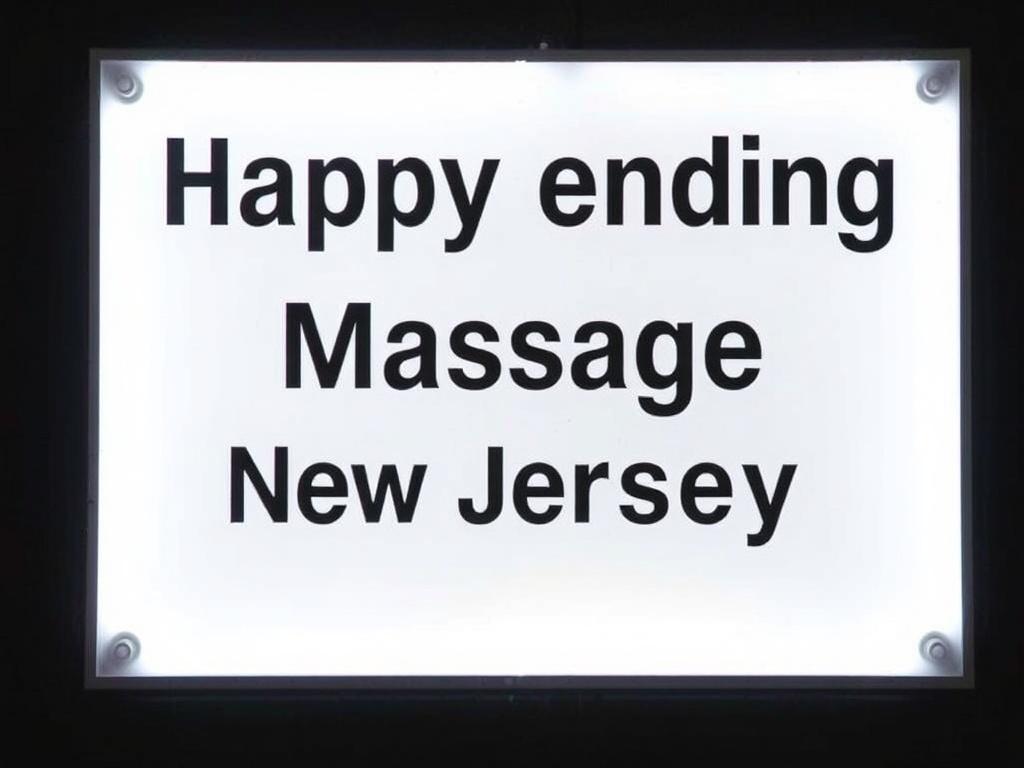
The term «happy ending» is widely used to refer to a massage that concludes with a sexual act performed by the masseuse or masseur. It’s shorthand that crops up in online ads, casual conversation, and sometimes in the classified ads of massage businesses. Because the phrase is colloquial, you’ll also see related terms like erotic massage, sensual massage, or “special services,” all of which point toward sexualized offerings rather than medically oriented bodywork.
Understanding the vocabulary matters because it affects expectations and legal standing. Legitimate therapeutic massage relies on clinical language—terms like Swedish, deep tissue, sports massage, or licensed massage therapist (LMT). When an advertisement or a practitioner uses euphemisms instead of clear professional terms, that’s a signal to pause and verify what’s actually being offered.
Legal status in New Jersey
New Jersey law treats sexual services that are exchanged for money as prostitution-related activity. While specifics of statutes and penalties can change, offering or soliciting sexual acts for payment is generally illegal and can result in criminal charges, fines, and other consequences. Places that advertise sexual services under the guise of massage can face business license revocation, closures, and criminal investigations by local authorities.
At the same time, massage therapy itself is a regulated health profession. Practitioners are typically required to obtain state licensing, carry continuing education, and follow professional codes of conduct. Massage establishments must comply with local zoning, sanitation, and business licensing rules. If you want to confirm whether a practitioner is legitimate, check for licensing and membership in professional organizations rather than relying on a web ad alone.
Licensed massage vs. illicit sexual services: how to tell the difference
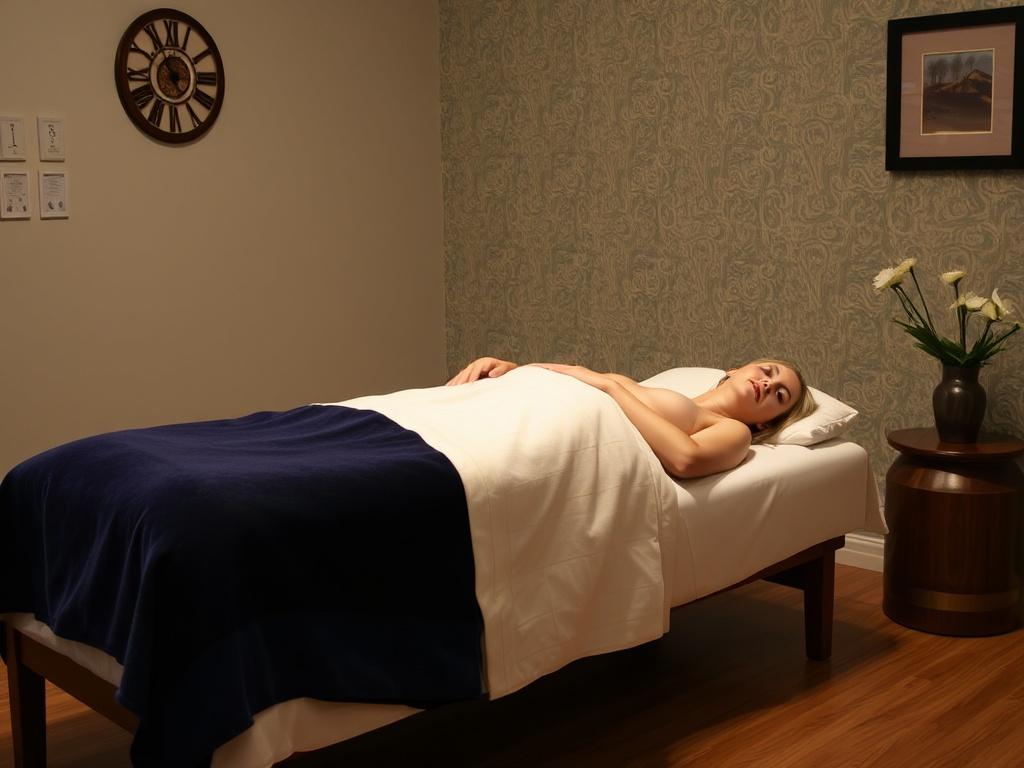
Legitimate massage clinics advertise their credentials. You’ll find therapist bios with training details, visible clinic addresses, clear price lists for standard modalities, and information about intake forms and contraindications. A professional environment includes appointments through a booking system, visible licenses on the wall, and consistent policies regarding draping, consent, and treatment boundaries.
By contrast, illicit operations often use vague language and avoid formalities. Common red flags include ads promising “extra services,” listings that emphasize discretion or cash-only payments, unprofessional or scanty premises, and therapists who avoid answering questions about qualifications. If something feels secretive or transactional beyond the posted price for a known modality, that’s usually a warning sign worth heeding.
- Legitimate indicators: visible license, formal intake, clear pricing, public reviews, membership in professional associations.
- Red flags: “special rates,” ambiguous language, cash-only, refusal to show credentials, no intake or health screening.
Health, safety, and ethical concerns
0
There are health risks tied to any situation where sexual contact occurs in a commercial context. Sexually transmitted infections and other communicable concerns are real; when services occur outside regulated settings, standard infection-control procedures may be absent. From a personal-safety standpoint, interactions that are framed as secretive or transactional can expose you to scams, theft, or worse.
Beyond immediate personal risk, there are broader ethical and social issues to consider. Some illicit massage operations are tied to exploitation and human trafficking. Paying for sexual acts in an unregulated environment may contribute to systems that coerce or harm vulnerable people. If you suspect an establishment is involved in trafficking or abusive labor practices, reporting it to the authorities or to local community organizations is a responsible step.
How to find legitimate massage therapists in New Jersey
If your goal is legitimate therapeutic or wellness massage, start with directories run by reputable organizations and state resources. Search the New Jersey state licensing board or a recognized professional association for a roster of licensed therapists. These listings often include credentials, areas of specialization, and contact details, giving you solid starting points for vetting a practitioner.
Before booking, call and ask direct questions. Ask about the therapist’s license number, their training, modalities offered, draping policies, and whether they complete an intake and health history form. A legitimate therapist will answer clearly and welcome questions. If the response is evasive or the business insists on secrecy about services or pricing, look elsewhere.
- Use state licensing searches and professional directories
- Read recent, verified reviews on mainstream platforms
- Confirm credentials and ask about policies before booking
- Prefer establishments with transparent booking and payment systems
Consequences of seeking or offering sexual services in massage contexts
For clients, obtaining sexual services in a commercial massage setting can result in criminal charges if local law enforcement determines solicitation or prostitution occurred. Even if criminal consequences do not follow, being associated with a closure or raid can carry reputational damage and potential civil consequences. There’s also the practical risk of being scammed or exposed to unsafe conditions when dealing with illicit operations.
For practitioners and business owners, the stakes are higher. Operating or permitting sexual services can lead to loss of licensure, civil penalties, criminal prosecution, and shuttered businesses. Legitimate therapists face ethical sanctions and permanent damage to their careers if they cross professional boundaries. The bottom line: mixing licensed health services with commercial sex tends to produce severe legal and professional fallout.
Alternatives to seeking sexual services
If you’re looking for relaxation or sensual connection without legal or ethical complications, there are lawful alternatives. Couples’ massages, tantric workshops focused on intimacy and communication, and licensed sex therapists offer structured, consensual spaces to explore touch and connection. These options emphasize consent, safety, and professional guidance rather than clandestine transactions.
For individuals seeking physical pleasure in a private but legal context, focusing on personal education and consensual, non-commercial interactions with partners is safer. Sensual massage courses offered by reputable instructors can teach communication, boundaries, and techniques aimed at enhancing intimacy without crossing legal lines. These paths preserve dignity and minimize risk.
Practical checklist before booking a massage in New Jersey
Below is a quick-reference table to help you evaluate an establishment or practitioner before you book. Use it to compare signs of legitimacy against warning indicators.
| Feature | Legitimate Massage Clinic | Illicit or Risky Operation |
|---|---|---|
| Credentials | Visible state license, therapist bios, professional affiliations | No license shown, vague bios, no verifiable credentials |
| Booking and Payment | Online booking, card payments, formal intake forms | Cash-only, walk-in or “by appointment only” for odd hours |
| Advertising Language | Specifies modalities (Swedish, deep tissue, sports) | Uses terms like “special services,” “happy ending,” or “discreet” |
| Environment | Clean, clinical or spa-like setting with clear policies | Unmarked storefront, residential location, shabby or secretive |
| Professional Boundaries | Clear draping protocols, consent process, and documentation | Avoids discussing boundaries, offers “extras” for extra cash |
- Verify licensing through the state or a professional directory before you go.
- Ask questions about policies and draping; if answers are vague, walk away.
- Prefer establishments with clear reviews and a visible physical address.
Resources and reporting
If you encounter a massage business that appears to be offering sexual services or suspect exploitation, there are established routes for reporting. Start with local law enforcement for clear violations, and use non-emergency lines if the situation is not urgent. Many states also maintain online complaint portals for professional licensing boards where you can report unlicensed practice or ethical violations.
For verification and education, use reputable national organizations such as the American Massage Therapy Association (AMTA) or the Associated Bodywork & Massage Professionals (ABMP) as directories and sources of professional standards. If human trafficking or exploitation is suspected, contact local anti-trafficking organizations or hotlines that can provide guidance and escalate cases to authorities and social services.
Conclusion
If you’re seeking massage in New Jersey, prioritize licensed practitioners and transparent businesses: they protect your health, your privacy, and your legal standing. Avoid establishments that use euphemistic language or insist on secrecy, and report any suspected exploitation or illegal activity to the proper authorities. Choosing a trained, reputable therapist gives you the benefits of touch—relief, relaxation, and recovery—without the risks that come with illicit services.