

Tantric massage for women blends slow, attentive touch with breath, presence, and intention. Far from a quick technique, it’s a way to slow the nervous system, orient attention toward sensation, and restore a sense of inner ease. People seek this work for many reasons: to relieve chronic tension, to reconnect with their bodies after trauma or childbirth, or simply to experience deeper relaxation and self-awareness.
This article offers a grounded, practical overview: what tantric bodywork involves, how it differs from other massages, basic techniques and aftercare, safety considerations, and how to find a practitioner who respects your boundaries. The aim is to equip you with clear expectations so you can decide whether this kind of mindful touch fits your needs.
What Is Tantric Massage?
Tantric massage is an umbrella term for bodywork rooted in some of the philosophical and energetic ideas associated with tantra. Rather than treating the body as a series of problems to fix, tantric approaches emphasize presence, conscious breathing, and the flow of energy. Sessions often focus on expanding awareness of sensation and cultivating a gentle, non-goal-oriented curiosity.
Unlike therapeutic modalities that prioritize muscle release or clinical diagnosis, tantric massage tends to prioritize the subjective experience. That can include moving with the breath, using long, rhythmic strokes, and incorporating simple energy practices intended to balance or open the body’s subtle systems like chakras and meridians. The intention is usually healing and integration rather than sexual stimulation, though sensations may be intense and intimate.
History and Philosophy Behind Tantric Bodywork
Tantra is a wide, diverse set of spiritual traditions originating in South Asia. In Western adaptations, elements of tantric thought — such as honoring the body as sacred and using breath to expand awareness — have been combined with contemporary massage techniques. The resulting practices are eclectic, varying widely between practitioners and schools.
Contemporary tantric massage for women often borrows language from eastern energy systems while grounding sessions in trauma-informed, consent-based frameworks. Practitioners may draw on breathwork, guided visualization, and somatic psychology to support clients who want more than a conventional spa experience. The emphasis is on mutual respect, clear boundaries, and emotional safety.
How Tantric Massage Differs from Other Types of Massage
Tantric massage differs from modalities like Swedish or deep tissue massage in intent and pacing. Where Swedish massage focuses on muscle circulation and deep tissue on releasing adhesions, tantric bodywork focuses first on awareness and presence. It is typically slower, with longer strokes and a softer touch designed to invite relaxation and internal noticing rather than target specific muscular knots.
The table below contrasts common massage styles with tantric approaches to help clarify what to expect.
| Aspect | Swedish Massage | Deep Tissue | Tantric Massage |
|---|---|---|---|
| Primary Goal | Relaxation and circulation | Release deep muscle tension | Presence, sensory awareness, energetic balance |
| Pacing | Moderate | Firm, focused | Slow, unhurried |
| Touch Style | Broad strokes, kneading | Intense pressure on trigger points | Long, flowing, sometimes feather-light |
| Typical Environment | Spa or clinic | Therapeutic clinic | Tranquil, ritual-like setting |
Keep in mind that these categories are not fixed. Responsible tantric practitioners clearly explain their approach beforehand and tailor sessions to a client’s comfort level and goals.
Common Techniques Used in Tantric Massage for Women
Techniques vary, but several elements recur across many sessions. Breathwork is foundational: slow, diaphragmatic breathing helps regulate the autonomic nervous system and deepen body awareness. Practitioners often synchronize touch with breath to support relaxation and presence.
Other common techniques include long, gliding strokes along limbs and torso, gentle joint mobilizations, and light, continuous contact to create a sense of safety and containment. Some sessions incorporate guided visualization or soft music to anchor attention. Energy-focused touches — for example, holding an area gently while maintaining an intention for release — are also used, always within boundaries agreed upon beforehand.
- Conscious breathing patterns and guided respiration
- Slow, continuous strokes that follow the flow of the body
- Palpation of tension areas with mindful attention
- Use of oil or warm compresses to increase comfort
- Non-sexual pelvic area work in some practices, with explicit consent
Benefits and Potential Risks
Many women report meaningful benefits from tantric massage, including reduced anxiety, improved sleep, relief from chronic muscle tension, and greater access to embodied pleasure and presence. For people recovering from certain kinds of trauma, somatic approaches like this can offer a non-verbal pathway to safety and regulation when handled sensitively.
However, this work is not without risks. Because sessions can feel intimate, there’s a potential for boundary confusion or retraumatization if the practitioner is not trauma-informed. Physical contraindications exist too: active infections, certain cardiovascular conditions, or recent surgeries may make massage inadvisable. Always consult a healthcare provider when in doubt.
- Potential benefits: improved body awareness, stress reduction, increased relaxation
- Potential risks: boundary violations, triggering of emotional material, physical contraindications
Preparing for a Session: Practical Steps
Preparation matters. Before booking, have a candid conversation with the practitioner about what you want, what you do not want, any medical history, and whether the session will include work on intimate areas. Ask about their training, whether they carry liability insurance, and how they handle consent and aftercare.
On the day of your appointment, arrive hydrated and dressed comfortably. Avoid heavy meals right before the session. If you’re anxious, simple practices like slow breathing or a brief walk beforehand can help. Bring any questions to the initial intake; good practitioners welcome them and adapt their approach accordingly.
- Communicate goals and boundaries clearly before the session
- Disclose relevant medical history and medications
- Ask about practitioner training and professional standards
- Plan aftercare: quiet time, hydration, and journaling if needed
Consent, Boundaries, and Safety
Consent is the backbone of ethical tantric massage. A responsible practitioner will use clear, ongoing consent practices: an intake form, a verbal agreement about what will happen during the session, and encouragement for you to indicate discomfort at any time. Consent must be informed and revocable at any moment.
Establishing boundaries also means clarifying whether nudity will be required and how draping will be handled. Many practitioners use partial undraping with respectful covering, ensuring comfort while allowing access to the areas being worked on. If anything feels off, you should feel empowered to stop the session immediately.
- Consent checkpoints: pre-session, ongoing during the session, and before any intimate work
- Safe words or simple hand signals can be used in place of words
- Request a practitioner who is trained in trauma-informed care if you have a history of abuse
- Trust your instincts; a reputable practitioner will respect your limits without pressure
Finding a Qualified Practitioner
Finding the right practitioner takes time. Look for people who clearly state their training background, scope of practice, and code of ethics on their website or intake materials. Recommendations from trusted friends or clinicians can be helpful, and many practitioners offer a brief consultation to discuss suitability beforehand.
Watch for red flags: practitioners who pressure you to remove clothing quickly, avoid questions about boundaries, or refuse to outline their training should be avoided. Professional memberships, client testimonials, and transparent pricing are positive signs, but nothing replaces your own comfort level during a consultation.
At-Home Practices and Self-Massage
If scheduling a session isn’t feasible, there are simple, safe practices you can do at home to cultivate similar benefits. Breathwork exercises, slow mindful stroking of the arms and legs, and gentle pelvic floor awareness practices can all increase body presence without needing a partner or practitioner.
Self-massage with oil can be a gentle way to explore sensation. Use long, even strokes along the limbs and torso, breathe into any areas of tension, and pause when emotions surface. If you have a medical condition or a history of trauma, consider starting with brief sessions and tracking how you feel afterward.
- Daily 5–10 minute breath-and-stroke routines
- Guided audio meditations focusing on body scan and breath
- Gentle yoga or pelvic-release stretches to support somatic awareness
Common Myths and Misconceptions
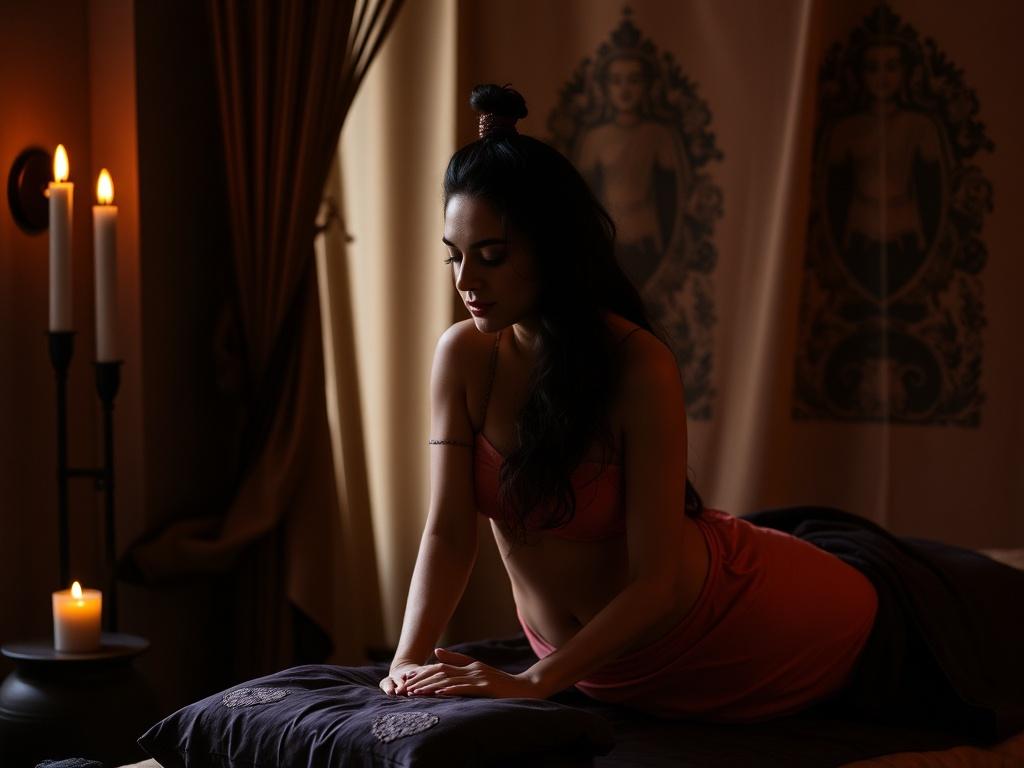
There are many misconceptions about tantric massage, often fueled by sensationalized media. A common myth is that tantric work is inherently sexual; in reality, ethical tantric practitioners distinguish clearly between therapeutic, spiritual, and sexual contexts. The intention of the session, consent, and boundaries determine the nature of the work.
Another misconception is that quick fixes are possible. True somatic change tends to be gradual; a single session can be deeply relaxing and revealing, but integration often requires time, reflection, and sometimes follow-up sessions. Treat the practice as a doorway to awareness rather than a magic cure.
Realistic Expectations and Aftercare

After a tantric massage, people often report feeling relaxed, emotionally tender, or more present in their bodies. It’s common to want quiet time afterward: resting, drinking water, journaling, or taking a gentle walk can help integrate the experience. Strong emotional releases can occur; a good practitioner will prepare you for that possibility and offer aftercare recommendations.
If you feel unsettled after a session, reach out to the practitioner for follow-up guidance or contact a trusted friend or therapist. Integration practices such as gentle movement, grounding exercises, and simple breathwork at home can help maintain the benefits and prevent overwhelm.
Conclusion
Tantric massage for women can be a valuable path to greater bodily awareness, relaxation, and emotional regulation when practiced with clear consent, skilled practitioners, and realistic expectations. Approach it with curiosity, prepare carefully, and prioritize safety and personal agency; in that context, it can be a gentle, transformative form of bodywork rather than merely a massage technique.