
What relaxation massage really means
When people say they want a massage for relaxation, they usually mean a non-invasive, calming treatment designed to lower stress and muscle tension rather than aggressively treat injury or chronic pain. Relaxation massage focuses on gentle, steady strokes, rhythmic movements, and slow pressure to soothe the nervous system and encourage a parasympathetic response—often described as «rest and digest.»
That response is what separates a relaxation-focused session from therapeutic or deep-tissue work. Rather than targeting knots with concentrated force, a relaxation massage emphasizes comfort, breath awareness, and an overall sense of ease. The goal is to reduce mental strain as well as physical tension so you leave feeling lighter, clearer, and more centered.
How massage produces that relaxed feeling
A combination of mechanical and physiological processes underlies the calming effect of massage. Mechanically, stroking and kneading increase circulation and help lymphatic flow, encouraging the removal of metabolic waste products. Improved blood flow brings oxygen and nutrients to tissues, which aids repair and reduces the sensation of tightness.
On the nervous system level, slow, predictable movements stimulate sensory receptors in the skin and muscles that communicate safety to the brain. This reduces activity in the sympathetic («fight or flight») nervous system and boosts the parasympathetic system, lowering heart rate and blood pressure. Massage also prompts release of neurotransmitters and hormones such as serotonin and oxytocin, which improve mood and promote relaxation.
Popular types of relaxation massage
Not every modality marketed as «relaxation» looks the same. Swedish massage is the classic model—long gliding strokes (effleurage), kneading (petrissage), and gentle tapping (tapotement) performed with soothing rhythm. Aromatherapy massage pairs gentle Swedish-like strokes with essential oils to add a mood-enhancing sensory layer. Hot stone massage involves heated stones placed on the body and used as warm tools to deepen relaxation without aggressive pressure.
Other approaches, such as lymphatic drainage or a light-myofascial release, prioritize subtle movement and touch to calm the body. The key across modalities is intention: the therapist deliberately keeps pressure and tempo within a range meant to soothe rather than provoke discomfort. If you want a calming result, communicate that priority before the session begins.
Comparison of common relaxation massage types
| Modality | Typical pressure | Common duration | Main benefit for relaxation |
|---|---|---|---|
| Swedish massage | Light to medium | 30–90 minutes | Improves circulation and relieves general tension |
| Aromatherapy massage | Light to medium | 45–90 minutes | Enhances mood and relaxation via scent |
| Hot stone massage | Light to medium with warmth | 60–90 minutes | Deep warmth promotes muscle relaxation and calm |
| Lymphatic drainage | Very light | 30–60 minutes | Reduces swelling and supports a feeling of lightness |
| Gentle myofascial techniques | Light, sustained pressure | 45–75 minutes | Soothes connective tissue and reduces tension patterns |
Benefits beyond simply feeling good
Relaxation massage eases more than surface tightness. Regular sessions can lower average stress hormone levels, improve sleep quality, reduce symptoms of anxiety and mild depression, and help manage headache frequency. People recovering from stressful work cycles or caretaking duties often report clearer thinking and better emotional resilience after a series of sessions.
Physically, consistent gentle massage helps keep tissue pliable and can prevent stress-related habits—like jaw clenching or forward head posture—from becoming entrenched. Even a single session can reduce sympathetic arousal and provide immediate relief from acute muscle tension, making it easier to return to sleep or focused work afterward.
How to prepare for a relaxation massage
Preparation isn’t complicated, but small choices can change the quality of your experience. Avoid heavy meals immediately before a session; a light snack is fine. Drink water beforehand to support circulation. Wear comfortable clothing to the appointment and arrive five to ten minutes early to complete intake forms and settle in.
Briefly communicate with your therapist about medical history, current medications, any areas to avoid, and your relaxation goals. If you’re sensitive to scents, lighting, or music, say so; therapists can usually adapt the environment. Clarify your preferred pressure level and whether you want a fully draped session—clear communication helps prevent surprises and keeps the session restorative.
What to expect during a relaxation session
Most relaxation massages begin with a quick consultation: the therapist will ask about your health, areas of tension, and what you want from the session. You’ll then undress to your comfort level and lie on the table under a sheet or blanket. The therapist will leave the room while you get comfortable; privacy and modesty are always maintained.
The session itself will proceed at a steady, unhurried pace. Therapists alternate between broad strokes that warm large muscle groups and more focused work on problem areas, always monitoring your feedback. Sessions often end with lighter strokes to integrate the body’s response. After you get up, your therapist may offer water and time to reorient, as moving too quickly can make you feel lightheaded.
Self-massage techniques for quick relaxation
You don’t always need a professional to access the benefits of massage. Simple self-massage techniques—done with your hands, a tennis ball, or a foam roller—can reduce tension between appointments. A few focused minutes are especially effective on the neck, shoulders, scalp, and feet.
Try slow circular motions on the temples and base of the skull to ease headache tension. Pressing the fleshy part of the palm in rhythmic kneading motions can relieve forearm strain from typing. For the feet, rolling a ball under the arch while seated releases built-up stress and stimulates circulation—perfect for a bedtime ritual.
Oils, scents, and the role of the environment
Massage oils and aromatherapy add sensory layers that influence relaxation. Unscented oils reduce friction while preserving neutrality; if you enjoy essential oils, lavender, chamomile, and bergamot are classic choices for their calming profiles. Use only diluted essential oils and discuss allergies with your therapist.
The treatment environment matters too. Warmth, soft lighting, and gentle background music support a relaxation response. Soundproofing or white noise can help people who are easily distracted. The combination of comfortable surroundings and skilled touch strengthens the association between the massage session and a restorative state.
Choosing a therapist and understanding credentials
Look for licensed massage therapists (LMTs) or those who meet national or regional certification standards. Credentials vary by jurisdiction, but a reputable therapist will provide clear information about training, specialties, and continuing education. Reviews and word-of-mouth recommendations are useful, but a short phone call to ask about experience with relaxation-focused work can be more telling.
At your first appointment, evaluate how the therapist listens and whether they adapt to your comfort level. Red flags include therapists who ignore pain reports, insist on techniques you’ve declined, or rush through draping and consent. A professional approach means open communication and respect for boundaries.
Safety, contraindications, and how often to book
Massage is safe for most people, but certain conditions require caution. Recent surgery, infectious skin conditions, fever, deep vein thrombosis or clotting disorders, and unstable cardiovascular conditions are situations where massage should be deferred or require medical clearance. Pregnant people should seek therapists trained in prenatal massage.
Frequency depends on goals and budget. To reduce chronic stress, one session every one to three weeks is common; for maintenance and occasional tension, monthly visits often suffice. Even short, weekly self-massage routines can produce measurable benefits between professional sessions.
Aftercare to extend the benefits
After a relaxation massage, your body continues to process the session. Drink water to help flush metabolic byproducts and keep tissues hydrated. Gentle stretching or a short walk will prevent stiffness and help circulation. Try to avoid strenuous activity for several hours to allow the parasympathetic state to persist.
Many people find combining massage with other restorative habits—consistent sleep routines, breathwork, or mindful movement—amplifies results. Keep a short journal of how you felt before and after sessions to track improvements in sleep, mood, and pain levels. That record helps you and your therapist fine-tune the approach over time.
Practical tips for creating a calming at-home routine
You can recreate many elements of a clinic session at home without professional tools. Set aside 15–30 minutes, dim the lights, choose gentle music, and pick a single area to work on—scalp, shoulders, or feet. Use a lightweight oil or lotion to reduce friction and keep movements slow and uniform.
Focus on breath: inhale for four counts, exhale for six, and time your strokes to the rhythm. This simple pacing deepens the parasympathetic response. If you have a partner, mild reciprocal shoulder and upper-back strokes can be mutually restorative—provided both of you keep pressure light and communicate continuously.
Conclusion
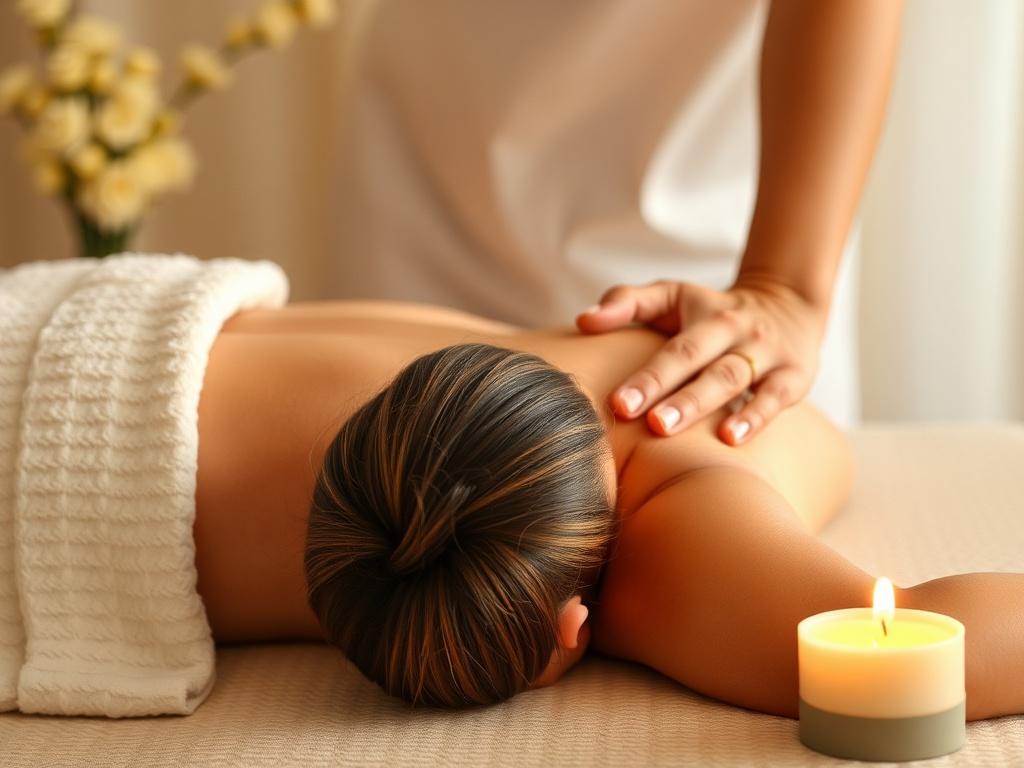
Massage for relaxation is a gentle, evidence-supported way to reduce stress, ease muscle tension, and restore a sense of balance. Whether you visit a licensed therapist, practice short self-massage techniques, or combine sessions with breathwork and good sleep hygiene, thoughtful, regular attention to relaxation can improve both mental clarity and physical comfort. Choose a modality and professional that align with your needs, communicate your preferences clearly, and treat each session as an investment in rest rather than a luxury.