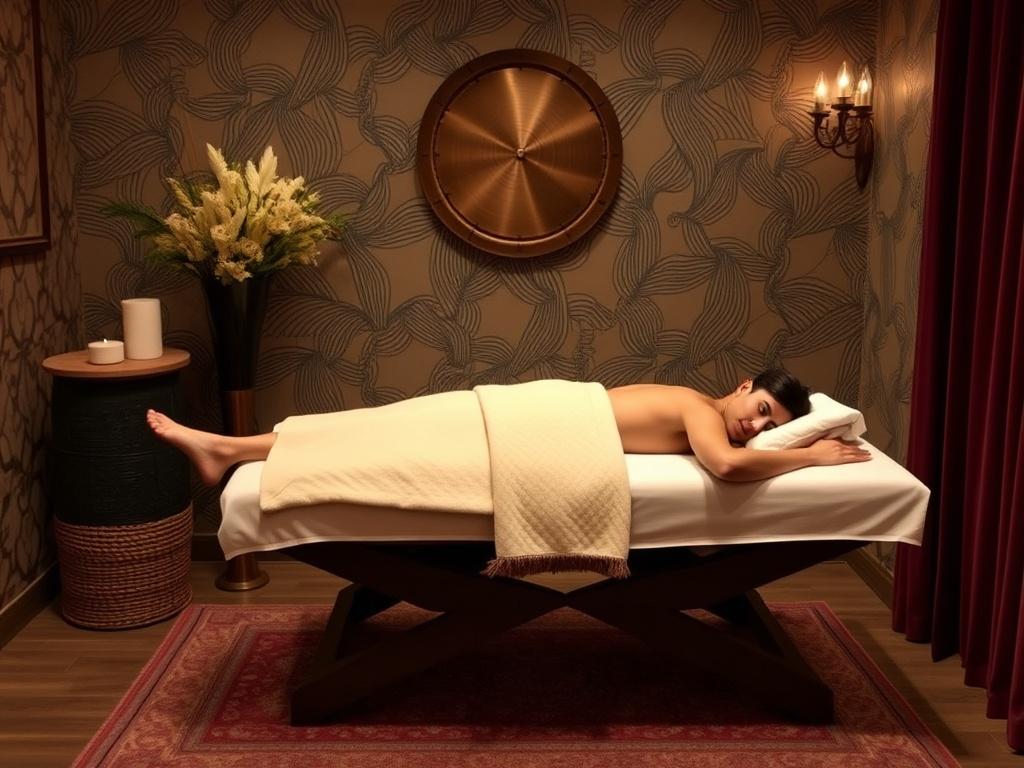

New York City is a place of perpetual motion — subway crowds, long workdays, and the kind of tension that collects in shoulders and low backs. For adults seeking therapeutic or relaxation-focused massage, the city offers everything from neighborhood clinics to high-end spa sanctuaries and mobile therapists who come to your apartment or office.
This guide explains what to expect, how to choose a reputable practitioner, how pricing and etiquette work in NYC, and which styles of bodywork fit different needs. Read on to make smarter choices and get the benefits of massage without stress or surprises.
Why adults seek massage in NYC
People book massage for many reasons: recovery after exercise, relief from chronic pain, stress reduction, improved sleep, and simple pampering. In a city where commute times and work intensity are common, massage can be a practical intervention for both physical symptoms and mental fatigue.
Therapeutic massage often complements other medical or wellness treatments. Adults with ongoing conditions frequently work with licensed therapists to manage pain, improve mobility, or reduce muscle tension as part of a broader care plan.
Common styles of massage and when to choose them

Massage is not one-size-fits-all. Different techniques target different goals: gentle Swedish massage for relaxation, deep tissue for chronic knots, sports massage for athletes, and neuromuscular or medical massage for specific injuries. Choosing the right style depends on your health history and the result you want.
If you’re new to massage, start with a conversation and a gentler technique, then adjust intensity in future sessions. Many therapists blend modalities to meet a client’s unique needs rather than sticking rigidly to one school.
Typical massage types — quick overview
Here’s a straightforward summary of commonly available types in NYC clinics and spas. This list helps you match a technique to an outcome: relaxation, rehabilitation, or performance support.
Therapists often use terms like bodywork, manual therapy, or therapeutic massage to describe these styles, so it helps to ask how they define their approach and what training supports their practice.
| Massage Type | Primary Focus | Best For | Typical Duration | Typical NYC Price Range |
|---|---|---|---|---|
| Swedish / Relaxation | Long, flowing strokes to reduce tension | Stress relief, first-time clients | 30–90 minutes | $70–$180 |
| Deep Tissue | Firm pressure to reach deeper muscle layers | Chronic knots, postural issues | 45–90 minutes | $90–$200 |
| Sports / Trigger Point | Targeted work for performance and injury prevention | Athletes, repetitive-strain recovery | 30–90 minutes | $80–$220 |
| Thai / Shiatsu | Compression, stretches, and pressure points | Flexibility, energy flow, alternative approaches | 60–120 minutes | $80–$250 |
| Medical / Therapeutic | Clinical assessment and targeted treatment | Rehabilitation, chronic pain management | 30–90 minutes | $90–$250 |
How to find reputable adult massage providers in NYC
Start with referrals from friends, healthcare providers, or fitness professionals. Personal recommendations are often the most reliable because they come with context about what worked and why. Online review sites and local forums are useful too, but read reviews critically and look for consistent patterns rather than single-star outliers.
Spas, independent licensed therapists, wellness centers, and mobile services all operate in the city. Decide whether you prefer a clinical environment or a spa ambiance. Many licensed therapists work independently and have portable tables for at-home sessions; others are affiliated with reputable spas that manage bookings and facilities for you.
Check credentials and ask the right questions

Licensing and training vary, so verify that a therapist has completed an accredited massage program and holds relevant certifications. Membership in professional organizations such as the American Massage Therapy Association (AMTA) or Associated Bodywork & Massage Professionals (ABMP) is a positive sign, though not the only measure of competence.
Ask whether the therapist has experience with your specific concern, their sanitation practices, what forms of payment they accept, cancellation policies, and whether they carry insurance. If you have medical conditions, inquire about collaboration with your physician or physical therapist.
What to expect at your first appointment
Most sessions begin with a brief intake: health history, current concerns, medications, and areas to avoid. Therapists will ask about pressure preferences and whether you have recent injuries. This conversation establishes boundaries and tailors the session to you.
Draping is standard practice: only the area being worked on is exposed, and professional therapists respect modesty and consent. Communication during the massage is important — speak up if pressure is too strong or if you experience pain. A good therapist will adjust technique based on your feedback.
Pricing, tipping, and booking tips
Prices in New York City vary widely by neighborhood, facility, and therapist experience. Expect higher rates in Manhattan luxury spas and somewhat lower fees at neighborhood clinics or for shorter sessions. Mobile appointments and after-hours bookings can carry an extra fee.
Tipping is customary for most spa and mobile services in NYC; 15–20% is a common range for satisfactory service. If you’re booking through a platform, check whether gratuity is included or added afterward. Also verify cancellation policies to avoid unexpected charges.
- Book in advance for evenings and weekends — top therapists fill quickly.
- Ask about package deals if you plan ongoing sessions; many providers offer discounts for multiple visits.
- Confirm the therapist’s specialties and whether they provide a treatment plan for chronic issues.
- Bring a list of medications and recent diagnoses if you have health concerns that could affect treatment.
Safety, consent, and medical considerations
Safety and professional boundaries matter. Licensed therapists follow clear standards for draping, consent, and scope of practice. If anything feels uncomfortable, you have the right to stop the session. Consent must be informed and ongoing.
Certain medical conditions require caution or medical clearance: fractures, deep vein thrombosis, active infections, uncontrolled hypertension, and some skin conditions. Pregnant clients should seek therapists trained in prenatal massage. When in doubt, check with a primary care provider before scheduling a session.
Neighborhood differences and practical choices
Each borough offers a slightly different massage landscape. Manhattan has many luxury spas and clinics catering to professionals and tourists; Brooklyn often features boutique studios with eclectic approaches and experienced independent therapists; Queens and the outer boroughs provide value-oriented clinics and community-focused services. Mobile massage is popular throughout the city when time or transit is an issue.
Your choice may come down to convenience versus ambiance. If you want a serene spa day, choose a full-service venue with showers and amenities. If you need targeted therapeutic work, an independent licensed therapist or medical massage clinic may be better. Always read profiles, check photos of the space, and confirm licensing before booking.
Practical checklist before your appointment
Arrive a few minutes early to complete any intake forms and settle in. Wear comfortable clothing and stay hydrated; avoid heavy meals immediately before a session. Communicate any allergies, especially to oils, lotions, or fragrance, and ask about hypoallergenic products if needed.
Keep expectations realistic: one session can reduce soreness and improve relaxation, but chronic conditions often need a series of treatments combined with stretches, posture work, or medical care for lasting results.
How to get the most from regular massage

Consistency amplifies benefits. Short, regular sessions can be more effective for ongoing tension than infrequent long treatments. Pair massage with self-care: stretching, sleep, hydration, and ergonomic adjustments at work will help sustain improvements.
Track what works. Note which therapists, pressure levels, and modalities give the best outcomes. That information will help you build a practical plan — whether weekly maintenance, monthly tune-ups, or targeted treatment during high-stress times.
Conclusion
Finding adult massage in NYC that’s safe, effective, and personally satisfying takes a little homework: check credentials, ask targeted questions, consider neighborhood and price, and communicate clearly with the therapist. With the right fit, massage can be a reliable tool for relaxation, pain relief, and better daily function in a busy city life.