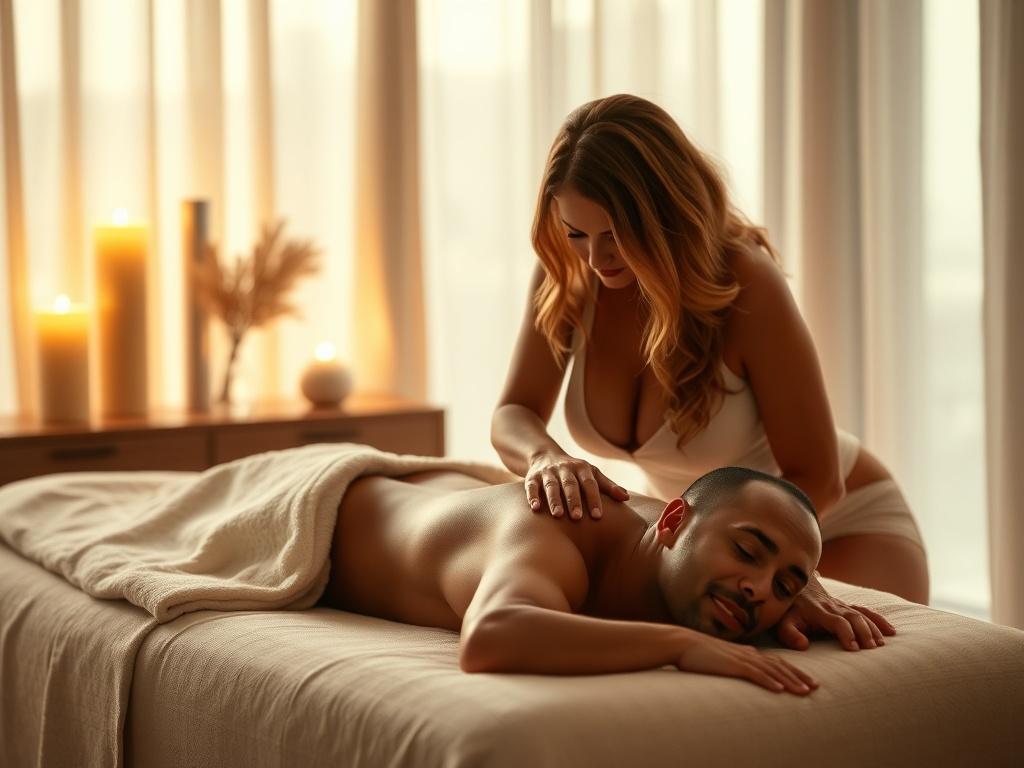

Sensual massage can turn a quiet evening into a deeply intimate experience. Whether you call it a sensual massage, erotic massage, or massage sex, the point is the same: to use touch and intention to create closeness, relaxation, and mutual pleasure. This guide walks through why it works, how to prepare, simple techniques to try, and how to move from massage into sex with consent and care.
Read on for practical tips you can use tonight, whether you’re a nervous beginner or someone wanting to refine your hands-on skills. The emphasis here is connection and safety—techniques are presented in ways that build arousal without relying on explicit description or choreography.
Why sensual massage enhances intimacy
Massage relaxes the nervous system. When muscles release tension and breathing slows, people are more present and available for emotional connection. A mindful, sensual touch also releases oxytocin and lowers cortisol, chemicals that help partners feel bonded and calm rather than defensive or distracted.
Beyond physiology, massage creates a shared experience where one partner gives and the other receives care. That role-switching encourages vulnerability in a gentle way: the giver learns sensitivity, the receiver practices trust. When both partners communicate their responses—what feels good, what’s too intense—it deepens mutual understanding.
Finally, sensual massage primes the senses. The combination of scent, warmth, sound, and touch heightens awareness of the body without rushing toward a goal. That slower pace often translates into more satisfying sexual encounters later on because the build-up becomes part of the pleasure rather than something to be skipped.
Preparing the space and setting the mood
Small environmental changes make a big difference. Clear a flat surface or use a massage table if you have one; otherwise, a bed or firm floor covered with a soft blanket works. Keep the room comfortably warm and free from interruptions—silence phones, dim bright lights, and choose music that helps you both relax without demanding attention.
Lighting and scent are subtle tools. Soft, indirect light keeps faces visible without glare. A diffuser with a mild essential oil, like lavender or sweet orange, can help relaxation; avoid overpowering fragrances if either partner has sensitivities. Always test oils on a small patch of skin first to check for irritation.
Set expectations with a brief conversation beforehand. A quick check-in about boundaries, pressure preferences, and any areas to avoid ensures consent and reduces awkwardness later. Ask what each person hopes to get from the massage—relaxation, arousal, emotional closeness—and agree to a simple safe word or sign if needed.
Essential oils, lubricants, and tools
Choosing the right products makes touch more fluid and comfortable. Carrier oils such as sweet almond, grapeseed, or fractionated coconut oil glide well and are gentle on most skin types. Use a small dish to warm the oil between your hands before applying; warm oil feels more inviting than cold drops on skin.
Some couples prefer a dedicated sensual lubricant for areas where oil may be too heavy. Water-based lubes are easy to wash out and safe with condoms; silicone-based lubes last longer but can damage silicone toys or certain fabrics. Avoid flavored or highly perfumed products on sensitive skin unless you’ve tested them first.
Tools can add variety without complexity. A warm towel for compresses, a soft brush for light stroking, or a pillow for supporting the body can enhance comfort. Avoid anything sharp or rigid on delicate skin. The best tool is still your hands—learn to use palms, thumbs, fingers, and forearms for different effects.
Checklist: supplies to have on hand
- Soft towels or sheets
- Carrier oil or body-safe lubricant
- Low, relaxing music
- Dim lighting or candles (safely placed)
- Pillows for support
- Water nearby for hydration
Techniques for a sensual full-body massage
Start with general strokes to warm the skin and build trust. Effleurage—long, gliding strokes with the palms—spreads oil and helps the receiver settle. Keep your touch even and attentive; slow movements often feel more intentional than fast ones. When you return to an area, vary pressure briefly to find what feels best.
Kneading and compression work well on the upper back, shoulders, and glutes. Use the heel of your palm or your fingers to apply steady pressure, then release. Think of these motions as conversation: press, listen, and adjust based on feedback. Avoid aggressive force on joints or bony areas.
For sensitive or arousal-related zones, use lighter, exploratory touches. Feathering—soft, barely-there strokes—can be especially effective on the neck, inner arms, and inner thighs. These gentle approaches build anticipation and emphasize sensation without being explicit. Always watch for nonverbal cues like breathing patterns, muscle relaxation, or small movements that indicate pleasure or discomfort.
Quick routine (20–30 minutes)
- Begin with the receiver lying face down; warm oil and effleurage on the back (5–8 minutes).
- Knead shoulders and upper back, moving toward the lower back and glutes (5–7 minutes).
- Flip the receiver onto their back, support the head with a pillow; use light strokes on neck and chest, then inner arms and thighs (5–8 minutes).
- Finish with soothing strokes and a short face/hand massage to ground the experience before transitioning to further intimacy (3–5 minutes).
When and how to transition to sex: consent and signals
Transitioning from massage to sex should feel like a natural next step, not an assumption. Check in verbally: a simple “Would you like to continue this?” or “How do you feel?” opens space for consent. If you prefer nonverbal cues, agree on a signal in advance—a touch, a word, or movement—that indicates comfort with moving forward.
Be attentive rather than assuming. If the receiver becomes more animated or reciprocates touch, that can signal readiness; if they seem more quiet or fall asleep, respect that. Consent is ongoing; even if both parties agree at one moment, anyone can change their mind at any point, and that must be honored without pressure.
When sex does follow, let the massage inform it: slower pacing, deliberate transitions, and maintained eye contact often make the sexual encounter more connected. Keep the same attention to comfort—use lubrication as needed, check for sore spots, and continue to communicate.
Common mistakes and how to avoid them
Rushing is the most frequent error. Treating the massage as a prelude to sex rather than its own act risks making the receiver feel like a means to an end. Maintain patience; the massage itself is valuable whether sex happens afterward or not.
Another mistake is ignoring feedback. If someone winces, pulls away, or tenses, stop and ask what they need. Gentle curiosity—“Does that pressure feel okay?”—improves technique and shows respect. Similarly, applying the same pressure on different people works poorly; everyone’s sensitivity varies.
Avoid overusing strong scents or greasy oils that stain bedding. Practical discomfort breaks the mood quickly. Also, be mindful of hygiene: clean hands, short nails, and freshly washed towels keep the experience pleasant and safe for both partners.
Safety, boundaries, and aftercare
Physical safety matters. Skip deep tissue techniques near the spine, neck vertebrae, or any area with a medical condition such as varicose veins, recent injury, or skin irritation. If either partner has health concerns—pregnancy, high blood pressure, or circulatory issues—consult a medical professional before attempting more vigorous massage.
Emotional aftercare is as important as physical. After a sensual massage or sexual activity, spend a few minutes in quiet contact—holding hands, gentle conversation, or cuddling. This helps both partners feel emotionally grounded and reassures them that vulnerability was welcomed, not exploited.
Establish boundaries and follow them. If one partner doesn’t want certain areas touched or prefers not to escalate sexually, honor that choice. Boundaries can evolve; keep revisiting them with kindness and curiosity rather than judgment.
Technique comparison table
| Technique | Target Area | Typical Pressure | Tools | Purpose |
|---|---|---|---|---|
| Effleurage (gliding strokes) | Back, limbs | Light to moderate | Palms, forearms | Relaxation, warming tissues |
| Kneading (petrissage) | Shoulders, upper back, glutes | Moderate to firm | Fingers, heels of palms | Release muscle tension |
| Feathering (light strokes) | Neck, inner limbs, chest | Very light | Fingertips, brush | Sensory arousal, anticipation |
| Circular friction | Lower back, base of skull, feet | Variable | Thumbs, fingers | Targeted relief, focal stimulation |
Practical tips to get better quickly
Practice listening more than following fixed routines. A partner’s verbal and nonverbal responses are the best guide to what’s working. Keep sessions relatively short at first—20 to 30 minutes—so both people can focus fully without fatigue.
Take turns giving and receiving. Giving a massage improves sensitivity; receiving teaches you what feels good and why. Switch roles regularly so both partners learn and feel cared for. Experiment with tempo and pressure across sessions and take notes mentally or on your phone about preferences to remember next time.
Finally, bring curiosity into the room. Approach massage as a shared experiment in pleasure and care, not a performance. Laugh when things feel awkward, celebrate small discoveries, and keep talking. That mindset keeps the experience playful and sustainable long-term.
Conclusion
Sensual massage is a thoughtful way to deepen intimacy, relieve stress, and explore pleasurable touch together; with simple preparation, clear consent, attentive technique, and aftercare, couples can turn a massage into a meaningful, safe, and satisfying part of their sexual relationship.