
The phrase «happy endings» carries a blunt, whispered meaning in many cities, including New York: a euphemism for sexual services offered at some massage businesses. People search for information about this topic for many reasons—curiosity, safety concerns, or to understand the law. This article walks through what the term implies in the New York City context, how the city and state respond, how to distinguish legitimate therapy from illicit operations, and where to get help if exploitation or trafficking is suspected.
My aim here is practical and clear. I won’t provide instructions on obtaining illegal services. Instead, you’ll find background, legal context, signs to watch for, resources for workers and survivors, and steps anyone can take to find a licensed, professional massage therapist or to report suspicious and potentially exploitative activity.
What people mean by «happy endings» and why the term matters
In casual usage, «happy ending» refers to a sexual act provided at the conclusion of a massage. The phrase is shorthand that obscures important issues: legality, consent, exploitation, and public health. Understanding the term in plain language helps separate rumor from reality and frames the topic as one about labor, safety, and regulation rather than titillation.
That distinction matters for several reasons. First, conflating all massage businesses with illicit activity stigmatizes trained practitioners and undermines legitimate healthcare. Second, the presence of sexual services in or around massage establishments can mask forced labor and trafficking. Finally, public discussions that treat the practice as a harmless novelty sidestep legal consequences and the risks faced by workers and clients.
Legal landscape in New York City
New York State and New York City treat prostitution and the commercial exchange of sexual acts as illegal. Laws addressing solicitation, prostitution, and related activities apply regardless of the venue where an exchange occurs. Businesses licensed to provide therapeutic massage must comply with state and local regulations; offering sexual services typically violates those laws and can lead to criminal charges, civil penalties, and the loss of business licenses.
At the same time, enforcement can be complex. Authorities balance criminal enforcement with concerns about exploitation and public safety. Police actions sometimes target individual workers, while advocacy groups call for approaches that prioritize victim support, labor protections, and anti-trafficking efforts. For consumers and workers alike, the takeaway is straightforward: sexual services exchanged for money are illegal and carry legal and personal risks.
How law enforcement and regulators respond
Enforcement involves multiple agencies: local police, district attorneys, state labor and licensing boards, and federal agencies in cases involving trafficking. Operations that uncover illicit services can result in arrests and prosecutions, but they can also lead to investigations focused on organized exploitation. Public health inspectors and licensing authorities may close or sanction businesses that fail to meet professional standards.
There’s ongoing debate about the best balance between criminalization and protection. Some advocates argue that heavy-handed enforcement pushes vulnerable workers further underground, increasing risk. Others insist that shutting down illegal operations is essential to combat forced labor and maintain community standards. The current system mixes both approaches: criminal enforcement alongside services and outreach for victims.
Distinguishing legitimate massage therapy from illicit services
For anyone seeking professional therapeutic services, it helps to know what a legitimate massage therapy business looks like. Licensed practitioners typically advertise credentials, operate in clear, professional settings, and follow clinical hygiene and documentation practices. Illicit operations may use suggestive advertising, cash-only transactions, and hidden pricing for “add-on” services.
Below is a simple comparison to help spot differences. These are indicators, not proof; context and judgment matter. If something feels off, you can decline services and walk away, and if you suspect exploitation, report it to authorities or hotlines described later in this article.
| Feature | Licensed, Professional Practice | Signs Associated with Illicit Services |
|---|---|---|
| Credentials | Visible certifications, license numbers, membership in professional associations | No credentials shown, vague or unverifiable claims of “special services” |
| Environment | Clean, clinical appearance, clear service menus, intake forms | Dimly lit spaces, partitioned rooms with heavy privacy, no intake paperwork |
| Payment | Card payments, receipts, clear pricing | Cash-only requests, separate cash “tips” for extra services |
| Communication | Professional language, focus on treatment goals and medical history | Suggestive language, sexualized offers, pressure for extra payments |
| Worker autonomy | Workers set schedules, display professional conduct | Workers appear controlled, fearful, or isolated |
Checklist: How to find a professional, licensed massage therapist
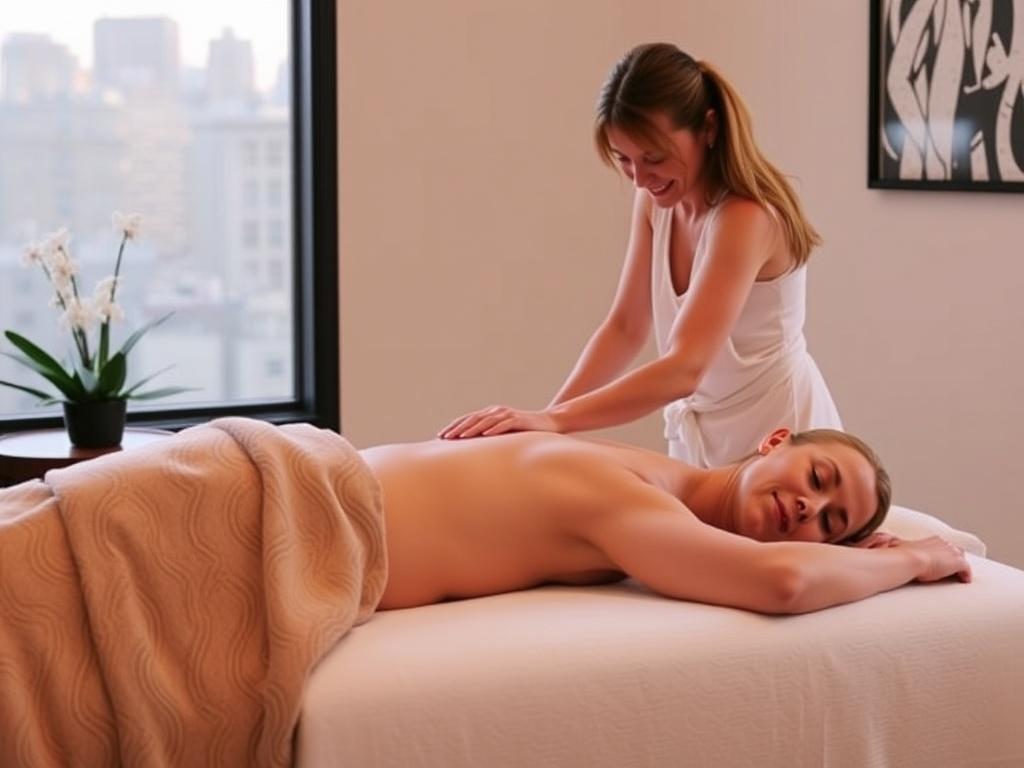
Searching for a legitimate therapist is straightforward when you prioritize verification and transparency. Below are practical steps to follow before booking an appointment, and what to look for on site.
- Verify credentials: Ask for a license or certification and check with state boards or professional associations when possible.
- Read reviews: Look for recent, detailed feedback on independent review sites—not just ads on the business’s own page.
- Ask questions: Inquire about training, modalities offered, and COVID-19 or hygiene protocols.
- Expect paperwork: Legitimate practices usually require intake forms to document medical history and treatment plans.
- Observe the space: A professional clinic will prioritize cleanliness, privacy, and clear pricing.
If any of the above feel compromised—if a practitioner requests secluded arrangements, cash-only transactions, or makes sexualized comments—leave and consider reporting the experience. Your safety and comfort should always come first.
Public health, labor, and trafficking concerns
Massage parlors that offer or are involved in sexual services often sit at the intersection of public health, labor exploitation, and human trafficking. Workers in such environments may face unsafe conditions, coercion, debt bondage, or limited autonomy. Public health risks can arise when services are unregulated and sanitation standards are not followed.
Human trafficking is a distinct and serious concern. Trafficking involves force, fraud, or coercion to compel labor or sexual services. If a worker appears controlled, fearful, unable to speak freely, or shows signs of abuse, these can be indicators of trafficking. Outreach organizations and law enforcement work together to identify and assist victims, but community awareness is a crucial part of prevention and intervention.
Reporting, support, and resources

If you suspect exploitation or trafficking, there are safe steps you can take. In emergencies where immediate danger is present, call 911. For non-emergencies, New York City’s 311 service can connect you to local resources and complaints. National and local hotlines provide anonymous reporting and victim support.
Key resources include the National Human Trafficking Hotline (1-888-373-7888 and text or web options), which operates 24/7 and can connect callers with shelter, legal help, and specialized services. Local advocacy groups, labor rights organizations, and public health departments also offer assistance. Reporting can be done anonymously if you fear retaliation.
Policy debates and alternatives
Addressing illicit sexual services in massage businesses raises policy questions: Should enforcement focus solely on criminal penalties, or should it also expand labor protections and pathways out of exploitation? Some experts argue for decriminalization paired with strong labor regulation to reduce harm, while others contend that decriminalization could enable predators. Policymakers must weigh evidence on trafficking, worker safety, and public health.
Practical alternatives that receive bipartisan interest include stronger licensing enforcement for legitimate businesses, expanded outreach to vulnerable communities, language-accessible support services for immigrants, and targeted efforts to dismantle organized exploitation networks. Better data collection and survivor-centered programs are often suggested as foundational steps.
Practical takeaways
Keep a few simple rules in mind: don’t seek illegal services, verify credentials before booking, prioritize safety and professionalism, and report suspicious or exploitative behavior. If you suspect someone is being coerced, contact authorities or a trafficking hotline—help is available and often confidential. Protecting workers and consumers relies on information, compassion, and the willingness to act when something seems wrong.
Above all, remember that many massage therapists are trained professionals who provide valuable medical and wellness services. Distinguishing between legitimate care and exploitative operations protects both practitioners and the public.
Conclusion
Conversations about «happy endings» in NYC intersect with law, health, labor, and ethics; they deserve clear-eyed attention rather than salacious curiosity. Knowing how to recognize legitimate massage therapy, where to find licensed practitioners, and how to report suspected exploitation helps keep communities safer and supports victims of coercion. If you’re ever unsure, prioritize transparency and safety—and use the available hotlines and local resources to get help or report concerns.