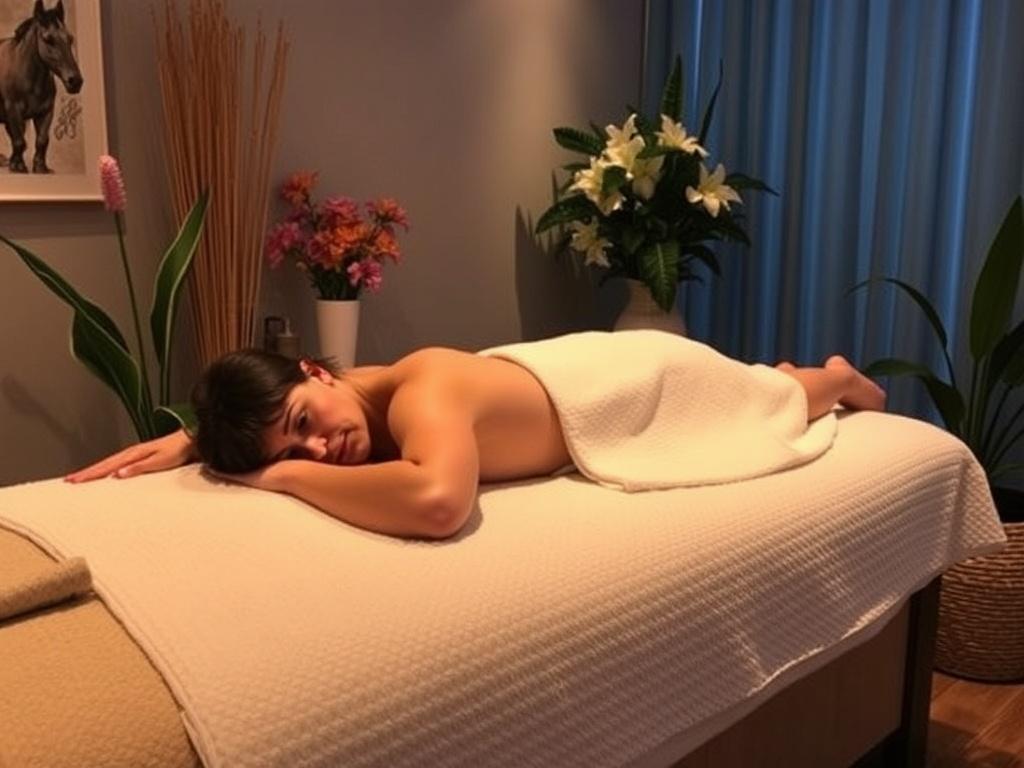

Why New Jersey is a great place for quality massage
New Jersey may be compact, but its massage scene is surprisingly diverse. From shore towns with salt-air relaxation to urban centers offering clinical sports therapy, the state hosts everything from boutique day spas to licensed medical massage clinics. That variety means you can match the treatment to a specific need—recovery after a race, relief from chronic neck tension, or a luxurious hour of stress relief.
Because New Jersey sits between New York and Philadelphia, it draws practitioners trained in many traditions and modalities. You’ll find therapists who specialize in athletic populations, prenatal care, oncology massage, and more. The presence of major hospitals and universities also means access to therapists who work alongside medical teams, offering therapeutic bodywork that integrates with broader care plans.
Common types of massage and when to choose each
Understanding the core types of massage will help you book the right session. Swedish massage is the most familiar: long, gliding strokes meant to relax and improve circulation. Deep tissue targets deeper muscle layers and can help with chronic pain. Sports massage focuses on athletes’ needs, using techniques to speed recovery and prevent injury.
Other effective approaches include myofascial release for tight connective tissue, trigger point therapy for localized knots, and prenatal massage tailored to pregnant clients. Hot stone provides heat-assisted relaxation, while lymphatic drainage supports swelling and post-operative recovery. Choosing the right style depends on your goals—relaxation, rehabilitation, or performance.
| Modality | Typical Duration | Pressure | Best For | Typical Price Range (NJ) |
|---|---|---|---|---|
| Swedish | 50–90 minutes | Light–Medium | Relaxation, stress relief | $60–$120 (60 min) |
| Deep Tissue | 50–90 minutes | Medium–Firm | Chronic muscle tension, pain | $75–$140 (60 min) |
| Sports | 30–90 minutes | Variable | Athletic recovery, injury prevention | $60–$150 (60 min) |
| Prenatal | 50–80 minutes | Light–Medium | Pregnancy comfort, swelling | $70–$130 (60 min) |
| Lymphatic Drainage | 45–75 minutes | Very Light | Post-op recovery, edema | $80–$160 (60 min) |
Where to look: clinics, spas, and mobile therapists in New Jersey
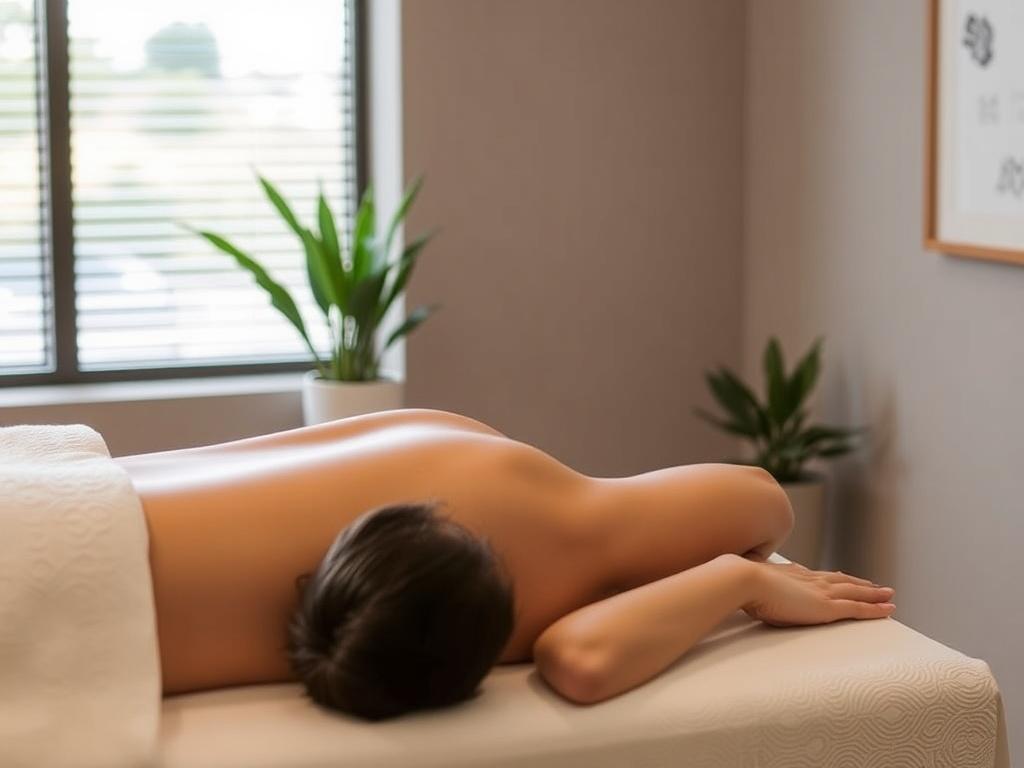
Choosing the right setting matters. Spas tend to emphasize ambiance—soft lighting, aromatherapy, and extended relaxation time—while clinics and medical practices prioritize targeted therapeutic outcomes and often coordinate with physicians. Mobile therapists bring convenience to your home, which is useful if you’re recovering from surgery or prefer privacy.
Location-wise, certain pockets of the state are especially rich in options. Consider these areas when searching: Jersey City and Hoboken for city-style boutique spas; Princeton and Montclair for therapists with ties to university athletic programs; Morristown and Summit for clinical practices; and the Jersey Shore towns (Asbury Park, Long Branch) for seaside relaxation. Urban centers typically offer more specialty modalities and extended hours.
How to evaluate and choose a therapist
Start with credentials. In New Jersey, massage therapists must be licensed by the state’s licensing board, which helps ensure they have met education and exam requirements. Look for certifications or additional training in the technique you need—myofascial release, dry needling, lymphatic drainage, or prenatal care. Those extra credentials signal focused expertise.
Beyond paperwork, communication matters. A skilled therapist asks about your medical history, pain patterns, and goals. They explain what they plan to do and adjust pressure based on your feedback. If a therapist dismisses your concerns or avoids an intake discussion, that’s a red flag. Trust and rapport are as important as technique for a successful session.
- Check online reviews and before/after client stories for consistent outcomes.
- Confirm licensure and ask about continuing education.
- Ask how they handle medical conditions, medications, and contraindications.
- Inquire about sanitation, draping standards, and COVID-era protocols if you’re concerned.
What to expect at your first appointment
Your first massage will usually start with a short intake: questions about health history, current medications, injuries, and what you hope to achieve. Be candid—details about recent surgeries, blood clots, or pregnancy change what techniques are safe. This conversation helps the therapist plan a session that is effective and risk-aware.
Draping and consent are standard practice. You undress to your comfort level and the therapist will keep non-treated areas covered. Communication during the massage is encouraged: say if pressure is too much or if an area needs less attention. After the session, expect brief aftercare advice—stretching suggestions, hydration, or timing for follow-up visits.
Pricing, insurance, and payment considerations
Prices vary by modality, setting, and location. A typical 60-minute massage in New Jersey ranges roughly from $60 at a chain location to $150 or more at a high-end spa or for a specialist clinician. Mobile therapists may charge travel fees. Packages or memberships can reduce per-session cost if you plan regular visits.
Most insurance plans don’t cover spa-style relaxation massage, but therapeutic massage prescribed by a physician for medical conditions may be eligible for reimbursement or payable through a health savings account (HSA) or flexible spending account (FSA). If your goal is pain management or rehabilitation, ask the clinic whether they accept referrals or provide documentation for insurance claims.
Tips to get the most from your massage
Preparing well improves outcomes. Hydrate in the hours before your appointment, arrive a few minutes early to fill out forms, and avoid heavy meals immediately before a session. After a deep or therapeutic massage, plan for light activity and extra hydration to help flush metabolic byproducts released from your muscles.
During the massage, keep communication open. If an area feels tender but productive, say so—“hurts so good” is different from sharp pain. Follow a short list of practical tips to maximize benefit:
- Request a focused session (e.g., neck and shoulders) when time is limited.
- Book consistently—tight muscles respond better to regular care than to a single session.
- Combine modalities (stretching, foam rolling, or physical therapy) when addressing chronic issues.
- Use post-massage movement or gentle yoga to maintain improved range of motion.
Booking strategies and finding reliable reviews
Start local: search for licensed therapists within a 15–30 minute drive and read several reviews rather than relying on a single star rating. Look for patterns in feedback—consistent praise for pressure, professionalism, and cleanliness matters more than one-off comments. Yelp, Google, and specialized platforms that list licensure information are helpful sources.
Consider direct contact before booking. A quick phone call or email asking about experience with your particular issue can reveal a lot: whether the therapist regularly works with similar conditions, their cancellation policy, and whether they can accept a prescription or coordinate with your doctor. When in doubt, opt for a brief introductory session to assess fit before committing to a longer treatment plan.
Conclusion
Finding the best massage in New Jersey is a mix of knowing what you want, verifying credentials, and trusting your instincts. Whether you need clinical bodywork for persistent pain, athletic recovery after a race, or a restorative spa day, the state offers skilled therapists across a range of settings. Do your research, ask the right questions, and treat massage as part of an ongoing wellness routine rather than a one-off fix—and you’ll get far more value from each session.