
Four hands massage—sometimes called a duo massage, tandem massage, or synchronized massage—pairs two therapists to work on one client at the same time. The goal is simple but compelling: double the hands, double the attention, and a sense of flow that one therapist alone can’t easily reproduce. It’s not merely about extra pressure; it’s about coordination, mirrored techniques, and a uniquely enveloping rhythm that many people describe as deeply relaxing and surprisingly efficient.
Whether you’ve seen it on a spa menu or heard about it from a friend, this modality can feel luxurious, therapeutic, and disorientingly soothing. In the sections that follow, we’ll explore its history, how therapists coordinate their work, the benefits and contraindications, what to expect during a session, and how to choose a reputable spa for your first four hands experience.
Origins and Evolution of the Four Hands Massage
The roots of multi-therapist treatments trace back to traditional healing practices where multiple practitioners worked together—think of temple rituals or communal healing in various cultures. Modern four hands massage evolved within the spa industry as a way to create an amplified relaxation experience and to stand out in a growing market of bodywork offerings.
Over the last few decades, spas refined the approach: therapists began training in synchronized strokes and timing, and the modality spread from luxury resorts to urban day spas. Today, you’ll find variations that borrow from Swedish, Balinese, Ayurvedic, Thai, and deep-tissue styles, reflecting both global influence and creative adaptation.
How a Four Hands Massage Works
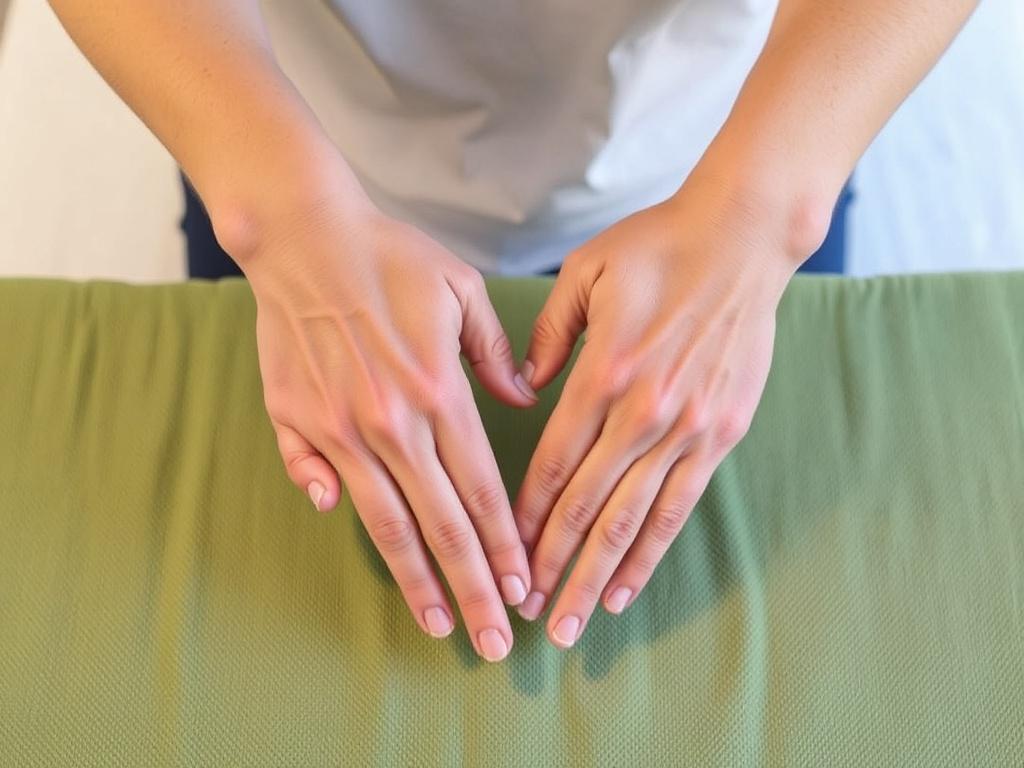
At its core, the technique requires two therapists who can communicate nonverbally and match tempo, pressure, and intention. One therapist may mirror the other exactly—same stroke, same speed—while in other styles they complement one another: one focuses on long, gliding strokes and the other works on tension points, creating layered sensation.
Beyond technique, spatial awareness is crucial. Therapists must avoid overlapping in a way that feels chaotic; instead, the experience should read as seamless to the client. The choreography of hands across shoulders, back, legs, and arms is what sets four hands apart from traditional single-therapist sessions.
| Feature | Single-Therapist Massage | Four-Hands Massage |
|---|---|---|
| Attention to body areas | Sequential focus on areas | Simultaneous, more comprehensive coverage |
| Sensation | Predictable, localized | Layered, often immersive |
| Therapeutic depth | Depends on therapist’s skill | Can match or exceed single therapist if coordinated |
| Cost | Lower | Typically higher |
| Ideal for | Targeted treatment | Full-body relaxation, special occasions |
This comparison helps clarify that four hands massage isn’t simply “twice the massage,” but a different qualitative experience—one built on timing, redundancy of touch, and an enveloping rhythm that can be either soothing or very intense, depending on the therapists’ approach.
Techniques and Synchronization
Training for this modality emphasizes timing and sensitivity. Therapists practice mirrored movements—both hands working in symmetrical patterns—or develop complementary sequences where one therapist prepares tissue while the other finishes the stroke. Breath work, counting, or subtle signals ensure both practitioners stay aligned.
Common techniques include long effleurage strokes for warming the muscles, alternating petrissage for deeper kneading, and gentle tapping or percussive work for stimulation. The ebb and flow of pressure can be orchestrated so that no single sensation overwhelms; instead, sensations blend, producing a trance-like state for many clients.
Common Styles and Add-ons
Spas often adapt the four hands format to different massage traditions. A Swedish-style duo will favor long, flowing strokes and light to moderate pressure, while a deep-tissue four hands session might alternate intense work on problem areas with broad soothing strokes elsewhere. Balinese or Indonesian-inspired versions may incorporate rhythmic compressions and aromatherapy.
Many spas enhance the experience with add-ons like aromatherapy oils, heated towels, scalp massage, or music specifically composed for synchronized treatments. These elements amplify the sensory immersion and help create a cohesive session from start to finish.
- Swedish or European-style synchronized massage
- Deep tissue or therapeutic four hands
- Balinese/tropical with rhythmic strokes and aroma
- Thai-influenced sessions incorporating passive stretches
- Couples four hands in a shared suite for two clients
Benefits and Who Should Try It
People seek four hands massage for a range of reasons: accelerated relaxation, heightened sensory pleasure, or simply to celebrate a special occasion. Because two therapists can cover more ground simultaneously, some clients find that it reduces the time required to feel fully relaxed and can be particularly effective for widespread tension.
Benefits often reported include deep relaxation, improved circulation from simultaneous stroking, a sense of balance from bilateral work, and psychological relief from being wholly attended to. Athletes or those with extensive muscular tension might appreciate how therapists can alternate focus on problem areas without losing the overall flow of the session.
- Deep relaxation and stress relief
- Efficient full-body treatment
- Enhanced sensory and emotional release
- Good for special celebrations or milestone events
What to Expect During Your Session
Most four hands sessions begin with a short consultation to discuss areas of concern, pressure preferences, and any medical issues. Therapists will explain how they’ll work together and check whether you prefer mirrored strokes or complementary work. The modesty and draping practices are the same as traditional massage—only the number of hands increases.
During the treatment, you may experience moments of disorientation as two different hands work simultaneously; this is normal. Communicate clearly if pressure is too strong or if the coordination feels chaotic. Many spas encourage a signal—such as a hand raise—so adjustments can be made without interrupting the rhythm entirely.
- Arrive early to complete intake forms and relax before the session.
- Ask about therapist expertise and whether they practice four hands regularly.
- Request a communication method for pressure adjustments.
- Hydrate afterward and take time to reorient yourself before driving.
Choosing a Spa and Therapists
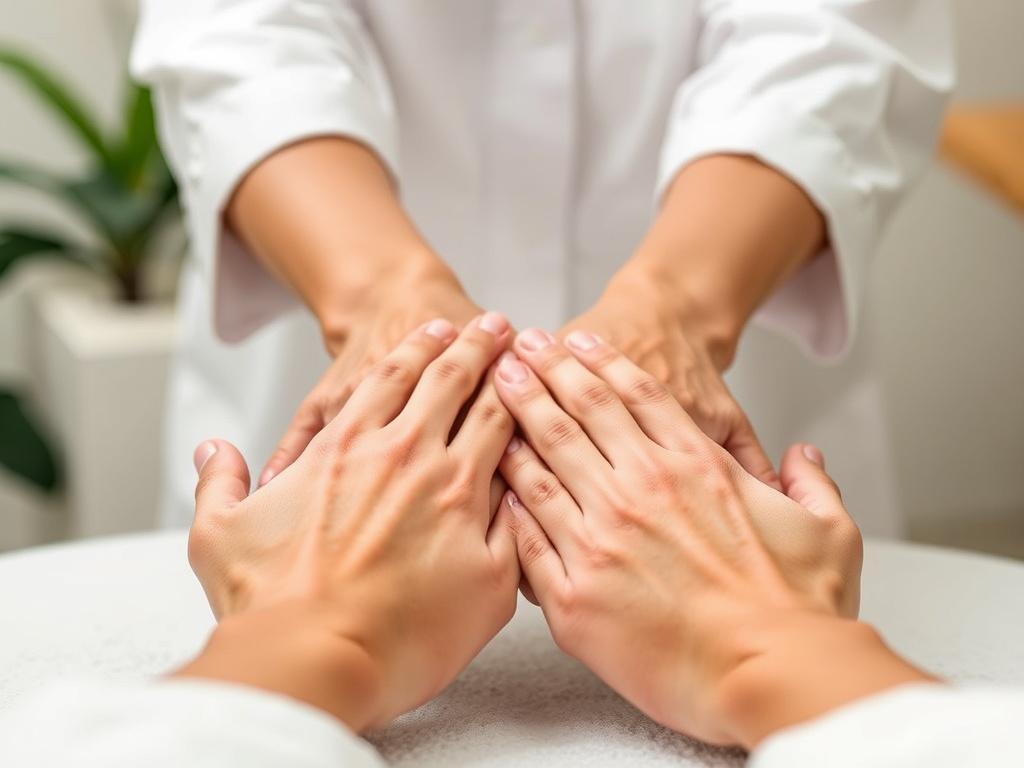
Because four hands massage depends heavily on therapist coordination, selecting a spa with trained, experienced staff is paramount. Look for establishments that advertise synchronized or duospecific training, and don’t hesitate to ask how often the same pair works together. Consistency builds the nonverbal communication skills crucial for a smooth session.
Reputation, cleanliness, and clear pricing matter, but equally important is the rapport you sense during the pre-session consultation. A good spa will match therapists to your needs—some pairs specialize in relaxation while others handle clinical or sports-oriented four hands work.
Safety, Contraindications, and Aftercare
Four hands massage is not suitable for everyone. Contraindications mirror those of standard massage: active infections, certain cardiovascular conditions, recent surgery, deep vein thrombosis, and some skin conditions. Pregnant clients should seek prenatal-trained therapists who are comfortable with duo formats.
Aftercare is straightforward: hydrate, rest, and avoid strenuous activity for the rest of the day if possible. Because sessions can be deeply relaxing, you may feel a temporary sense of fatigue or lightheadedness; this is typically brief. If you experience prolonged soreness, contact your therapist for guidance on gentle stretching and hydration.
- Inform therapists of all medical conditions before booking.
- Avoid alcohol and heavy meals immediately before the session.
- Allow time after the massage to sit up slowly and gather yourself.
Cost, Duration, and Practical Considerations
Four hands treatments usually cost more than single-therapist sessions because you pay for two practitioners. Prices vary widely by region and spa quality: a 60-minute four hands massage can range from a premium markup over standard rates to double the price in high-end resorts. Many spas offer 90- or 120-minute options to maximize the value.
Duration affects the feel: shorter sessions can feel brisk or intense because two therapists cover the body quickly; longer sessions allow for a more drawn-out, meditative pace. When booking, clarify whether the session includes time for consultation and post-massage relaxation or if those minutes count toward hands-on time.
Conclusion
Four hands massage is a distinctive option that blends coordination, technique, and the sensory impact of simultaneous touch; for many, it delivers a deeper and more immersive form of relaxation or an efficient full-body approach to tension relief. If you’re curious, choose a reputable spa, communicate your preferences clearly, and be open to the unusual but often rewarding sensation of being worked on by two skilled practitioners at once.